


How Oral History Can Shape Our Understanding of Family Legacy

Understanding where we come from is one of the most powerful ways to shape who we are today. A key tool for connecting with your family’s past is oral history. By collecting personal stories passed down through generations, oral history uncovers rich details about your ancestry and legacy. It taps into the voices of your ancestors, helping you uncover forgotten stories that can deepen your sense of self and family identity.
What Is Oral History?
Oral history is the practice of recording and preserving spoken accounts, stories, and recollections from individuals. Unlike written documents, oral history provides a more intimate, personal connection to the past, offering first-hand accounts of events that shaped families. These stories often include details and emotions that aren’t captured in traditional records, creating a unique perspective on history.
For many families, oral history is a crucial method of passing down:
- Traditions and values
- Life-changing events
- Personal reflections and beliefs
By recording and preserving these stories, you not only maintain your family’s history but also build a bridge between past and future generations.
Bringing Forgotten Stories to Life
One of the most significant aspects of oral history is its ability to bring forgotten stories to light. Written records can be lost due to wars, natural disasters, or family displacement. However, oral traditions allow these stories to be passed down, often surviving in the memories of family members. These stories can reveal:
- Family struggles and resilience
- Migration stories and journeys
- Unspoken histories that may have been overlooked
Through oral history, you can connect with relatives from generations ago, learning about pivotal moments and significant life events that have shaped your family’s path.
Creating a Deeper Connection to Your Family’s Roots
Oral history not only helps preserve important facts, but it also deepens the emotional connection to your ancestry. By hearing stories in the words of those who lived them, you can better understand the cultural and personal significance behind those events. Rather than just learning names and dates, you get a sense of the people, their emotions, and the choices they made, which makes history feel much more personal.
When you listen to family stories, you also gain insight into:
- The values that shaped your family
- Challenges your ancestors overcame
- How your family’s choices have impacted who you are today
Oral history thus offers more than just a timeline of events. It allows you to connect with the spirit and essence of your family’s legacy.
Start Your Journey into Oral History Today
Starting your own journey into oral history is easier than you might think. All you need is a recorder, some thoughtful questions, and a willingness to listen. Start by talking to your parents, grandparents, or any other relatives who have stories to share. These personal accounts will offer valuable insights that can’t be found in history books or family trees.
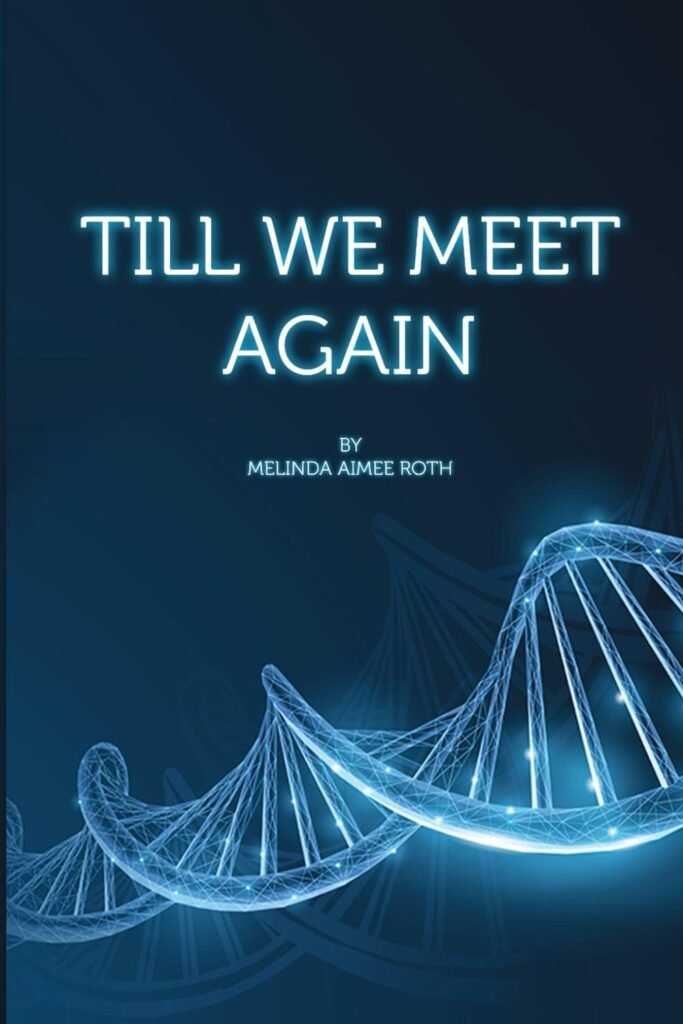
Inspired by the power of oral history? ’Till We Meet Again by Melinda Aimee Roth is an excellent way to begin. Roth’s journey of discovery, blending personal history with oral storytelling, shows the profound impact of reconnecting with your family’s legacy.
Order your copy today and begin your own exploration into the rich tapestry of your ancestry.