

The Intersection of Science and Emotion in Genealogy Research
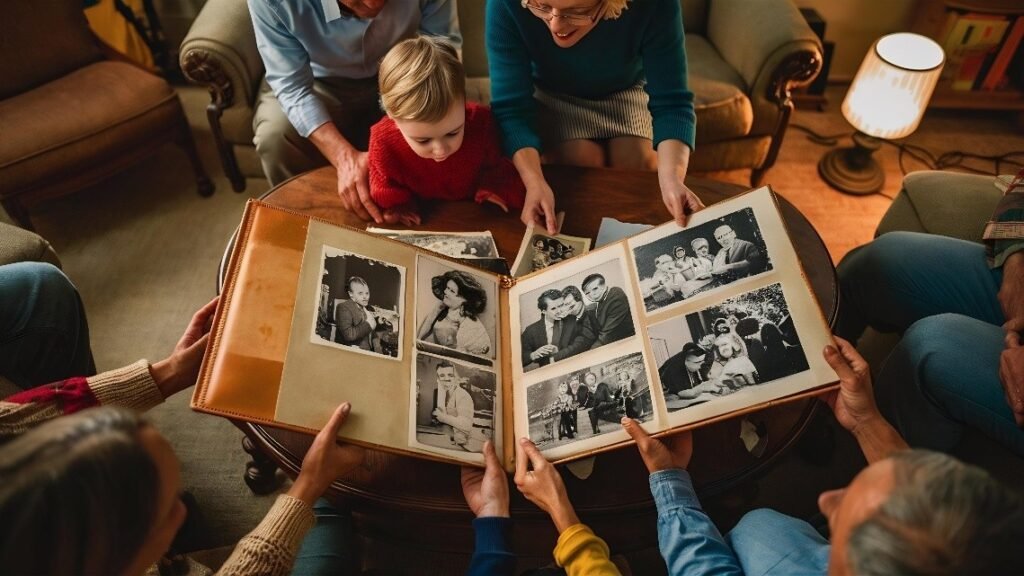
Genealogy research is often a deeply personal journey that combines scientific discovery with emotional exploration. While the use of DNA testing and other scientific methods provides tangible facts about ancestry, the emotional process of uncovering family stories allows us to connect with our roots on a more personal level. In this blog, we’ll explore how the blending of science and emotion can enhance your understanding of your family history.
Science: Uncovering the Facts
The scientific side of genealogy research is driven by tools such as DNA testing, archival records, and genetic analysis. These methods provide objective, data-driven insights that allow us to trace our ancestral lineage with a high degree of accuracy. Here’s how science plays a crucial role in genealogy research:
- DNA Testing: Modern genetic testing tools like AncestryDNA and 23andMe allow individuals to trace their genetic roots, revealing not just geographical origins but also distant relatives and genetic traits.
- Archival Research: Historical records, such as birth certificates, census data, and immigration records, offer concrete details that help build a family tree.
- Genetic Genealogy: By combining DNA testing with family tree analysis, genetic genealogy enables researchers to connect with living relatives and verify historical connections that may have otherwise been lost.
Through these scientific methods, genealogy researchers can uncover valuable, factual information that provides a solid foundation for their family history.
Emotion: Connecting with the Past
While science offers the tools to trace lineage, it’s the emotional journey that truly brings genealogy to life. Exploring family stories, personal memories, and ancestral traditions can create a deep emotional connection to the past. Here’s how emotion plays a key role:
- Personal Stories: Oral histories and family anecdotes allow us to understand the personal experiences of our ancestors, making the research more relatable and meaningful.
- Healing and Reflection: The emotional process of learning about past struggles, triumphs, and sacrifices can also serve as a form of healing and reflection, helping to resolve generational wounds and gain closure.
- Identity and Legacy: The emotional aspect of genealogy is deeply tied to personal identity. Learning about where you come from and the experiences that shaped your ancestors can foster a stronger sense of connection to your own heritage.
Emotion brings depth to the facts discovered through scientific methods, adding a layer of personal meaning that turns dry data into a rich, emotional narrative.
The Powerful Combination of Science and Emotion
When science and emotion come together in genealogy research, they create a powerful synergy that enhances the entire experience. Scientific tools help confirm and clarify familial connections, while emotional reflection enriches the understanding of those connections. The blend of both elements allows for a more comprehensive and fulfilling exploration of your ancestry.
For example, while a DNA test might reveal a connection to a distant relative, learning the emotional backstory of that relative, such as their hardships or triumphs, adds a personal layer to the scientific discovery. This combination of hard facts and emotional depth allows researchers to connect with their ancestors in a more profound way, making genealogy not just an intellectual pursuit, but a deeply emotional one as well.
Ending Note
If you’re ready to explore your family’s history, the combination of science and emotion is the key to unlocking a richer, more fulfilling journey. Begin by utilizing DNA testing, archival research, and oral histories to uncover both the facts and the stories that will connect you to your past.
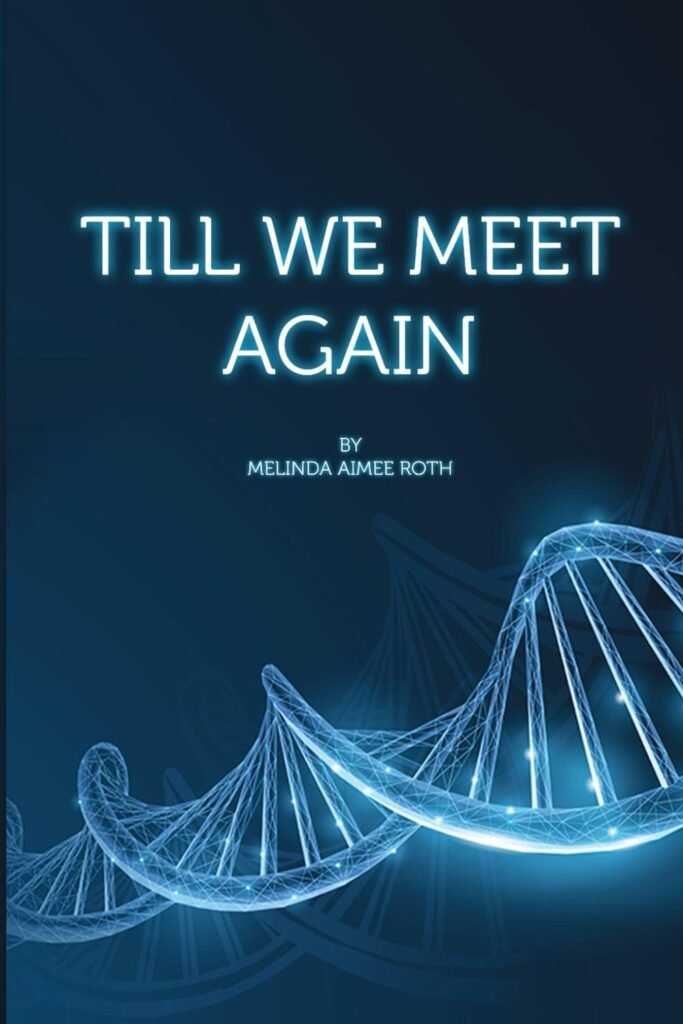
If you’re inspired to dive deeper into the emotional side of genealogy, ’Till We Meet Again by Melinda Aimee Roth offers a powerful example of how combining personal reflection with research can uncover hidden family stories. Order your copy today to start your own emotional journey into your family’s history.