

Family History Search 

5 Essential Tools You Need to Start Your Family History Search

Starting a family history search can feel overwhelming. With generations of names, dates, migrations, and mysteries, many people don’t know where to begin. The good news is that modern genealogy no longer requires expert training or travel to distant archives. With the right tools, anyone can begin uncovering their family’s story and building meaningful connections to the past.


Here are five essential tools that will give you a strong, confident start.

1. A Family Interview Notebook or Recording App

Before turning to databases or DNA tests, start with the most valuable resource you have: living relatives. Conversations with parents, grandparents, aunts, uncles, and cousins often reveal stories that exist nowhere else.


Use a notebook, voice recorder, or phone app to capture names, nicknames, places, traditions, and memories. Ask open-ended questions rather than just dates. Even small details, why someone moved, how holidays were celebrated, or which relatives stopped speaking, can become critical clues later.


This step grounds your research in human experience, not just data.

2. Online Genealogy Databases

Online genealogy platforms provide access to census records, immigration documents, birth and death certificates, military records, and family trees created by other researchers. These databases allow you to search across time and geography without leaving home.


When using online records, always verify information across multiple sources. Errors and assumptions are common, but patterns emerge when records align. Think of databases as guides rather than final authorities.


They are especially powerful when combined with family stories you’ve already gathered.

3. DNA Testing Services

DNA testing has transformed genealogy by revealing biological connections that paperwork alone cannot uncover. These tests can identify relatives you never knew existed, confirm family lines, and uncover ancestral origins.


DNA is particularly helpful for families affected by adoption, name changes, migration, or historical trauma. While results may raise new questions, they often provide breakthroughs when traditional research reaches a dead end.


Understanding shared DNA matches can help reconstruct family branches that history tried to erase.

4. Digital Organization Tools

Genealogy research grows quickly. Without organization, documents and discoveries become overwhelming. Digital folders, spreadsheets, family tree software, or genealogy apps help keep information accessible and clear.


Create consistent naming systems for files and record where each piece of information came from. Good organization not only saves time, it preserves credibility and allows future generations to understand your work.

5. Patience and a Research Mindset

The most important tool is not technological, it is mental. Family history research requires patience, curiosity, and emotional openness. Records may conflict. Answers may be incomplete. Some discoveries may be difficult.


Approach genealogy as a process rather than a project to be finished. Each question leads to another layer of understanding. Progress is often slow, but meaning accumulates steadily.


Patience allows space for both discovery and reflection.
Conclusion

Family history research is not just about collecting names; it is about reclaiming connection. With these five essential tools, conversation, records, DNA, organization, and patience, you can begin building a family narrative that brings clarity, belonging, and continuity.

Every search starts with a single step. What you uncover may change how you understand not only the past, but yourself.


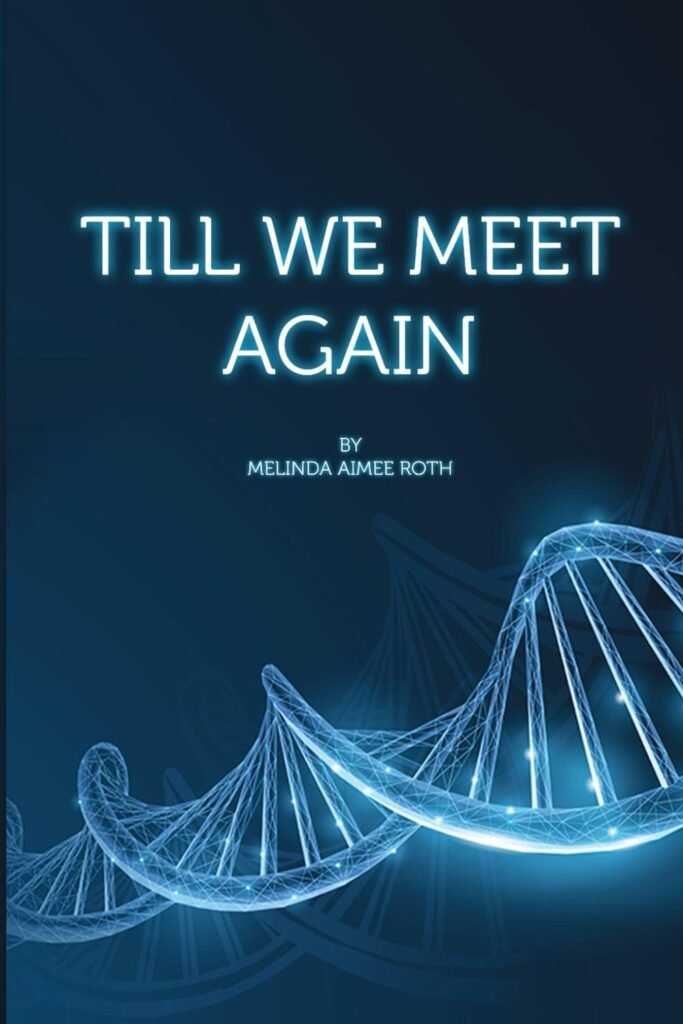
If you’re inspired to go beyond tools and records and explore the emotional impact of uncovering lost family history, ’Till We Meet Again by Melinda Aimee Roth offers a powerful, real-life example. Through DNA discoveries, archival research, and personal reflection, the book


How to Bridge Generations with a Family History

How to Bridge Generations with a Family History That’s Been Lost Over Time

Many families carry a shared sense of loss they cannot quite name. Stories fade, names disappear, and connections weaken as generations pass. Wars, migration, silence, and trauma often interrupt the transfer of family history, leaving younger generations with fragments instead of narratives. Yet even when history feels lost, it can still be recovered, and doing so can become a powerful way to bridge generations.


Rebuilding family history is not just about uncovering facts; it is about restoring relationships between past, present, and future.

Accept That Gaps Are Part of the Story

The first step in bridging generations is accepting that missing information is not a failure, it is part of the legacy. Families often avoid difficult histories out of protection or pain. Recognizing this helps remove blame and opens space for curiosity.


When elders feel safe acknowledging uncertainty, younger generations learn that it is acceptable not to have all the answers. This shared honesty fosters trust and invites collaboration rather than judgment.

Start Conversations, Not Interrogations

Family history emerges most naturally through conversation. Instead of pressing for dates or details, ask open-ended questions: What do you remember about your parents? What traditions mattered most growing up? What stories were told when you were young?


These questions encourage storytelling rather than defensiveness. Even small anecdotes, such as how a holiday was celebrated, what work was done, and why a move occurred, become connective tissue between generations.

Use Modern Tools as Shared Projects

Technology has transformed genealogy into an accessible, collaborative activity. DNA testing, digital archives, and online family trees allow multiple generations to participate together.


When younger family members assist elders with research, scanning photographs, or interpreting records, roles reverse in meaningful ways. Knowledge flows both directions, reinforcing mutual respect and shared purpose.

Preserve Stories in Tangible Ways

Bridging generations requires preservation. Oral stories are precious, but they can disappear quickly. Recording interviews, writing short narratives, or creating digital albums ensures that discoveries endure.


These preserved stories become gifts to future generations, offering them a sense of identity and continuity. Knowing where one comes from strengthens understanding of where one belongs.

Acknowledge Pain Alongside Pride

Lost family histories often contain hardship, displacement, discrimination, or trauma. Addressing these realities with care deepens connection rather than weakening it.


When families acknowledge pain together, they model resilience and empathy. Younger generations gain context for inherited behaviors or values, while elders feel seen and honored rather than erased.

Let Reconnection Be an Ongoing Practice

Bridging generations is not a one-time project. It is an ongoing dialogue that evolves as new information emerges and perspectives shift.


By treating family history as a living story, families create a shared narrative that links generations across time. In reclaiming what was lost, they discover that connection itself, across age, memory, and experience, is the true inheritance.

Continue the Journey Through Story

When family history has faded, what matters most is not perfect knowledge but shared effort. By gathering fragments with care and inviting open dialogue, families turn silence into connection. Even incomplete stories can become a powerful legacy, one that links generations through understanding, empathy, and the simple act of remembering together.

If you’d like to see how this process unfolds in real life, ’Till We Meet Again by Melinda Aimee Roth offers a moving example of how uncovering lost family history can restore identity and connection. Get your copy and begin building bridges between generations through the stories that deserve to be remembered.