

How DNA Ancestry Testing Is Connecting Generations Lost in History

DNA ancestry testing has emerged as a groundbreaking tool, enabling individuals to uncover the mysteries of their family history, connect with long-lost relatives, and bridge generations that were once lost in the annals of time. This revolutionary method of tracing one’s ancestry is not only fascinating but also profoundly impactful, shedding light on the stories of ancestors who lived long ago. In this blog, we explore how DNA testing is reconnecting families and illuminating histories that would otherwise remain forgotten.
Tracing the Roots of Lost Generations
For many, the process of discovering their heritage used to mean sifting through old family records, birth certificates, and immigration papers, if those records even existed. However, for countless families affected by historical upheavals like the Holocaust, wars, or forced migrations, these traditional records were often destroyed, lost, or never recorded. DNA Ancestry Testing has revolutionized this process, allowing people to trace their lineage across continents and even centuries, uncovering the lost connections that have been severed by time and tragedy.
DNA tests work by analyzing specific genetic markers passed down through generations, comparing them to a vast database of genetic information to find familial connections. This process can link people to distant cousins, uncover lost branches of their family tree, and even shed light on the ancestral origins of individuals whose histories have long been a mystery.
Bringing Lost Families Back Together
One of the most heart-wrenching effects of war and displacement is the loss of family connections. Generations are scattered, sometimes never to be reunited. For those whose ancestors survived the Holocaust, the search for lost family members can be especially fraught with emotional challenges. Records were often destroyed or never existed, leaving gaps in family histories that seem impossible to fill.
DNA Ancestry Testing has become a vital tool for restoring these lost connections. Through this technology, families can discover distant relatives who survived such atrocities, helping to mend the broken threads of family histories torn apart by war. The ability to match genetic markers with others across the globe has led many to reconnect with family members they never knew existed, unearthing stories of survival, resilience, and triumph.
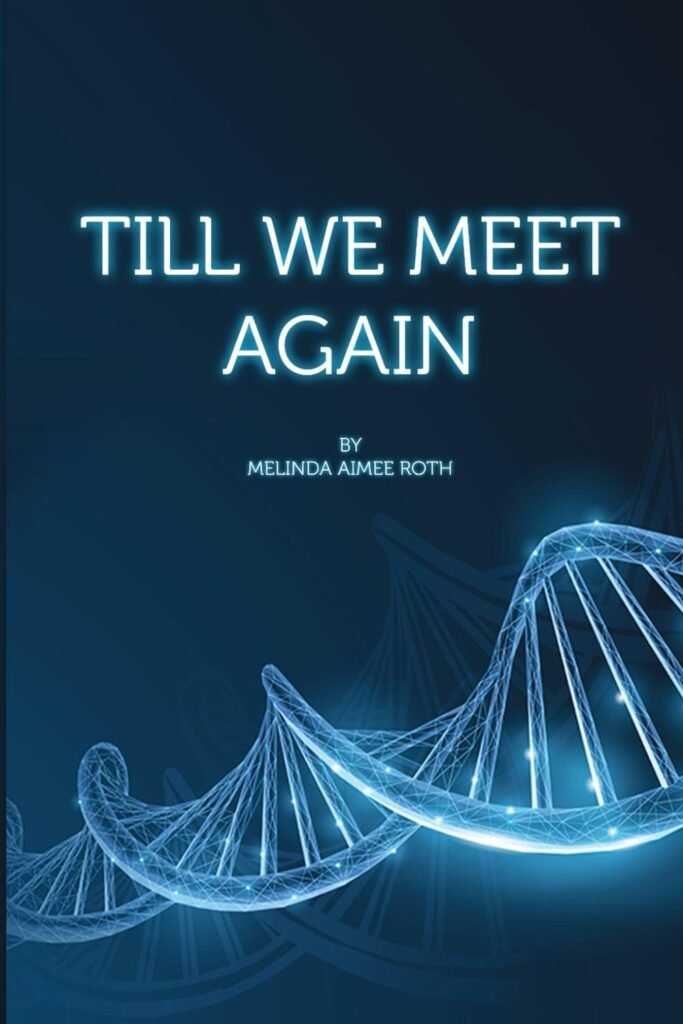
In ’Till We Meet Again, author Melinda Aimee Roth shares her own journey of discovering her family’s roots. Using DNA testing, Roth uncovers her family’s lost history in Slovakia and Hungary, places nearly erased by the Holocaust. Roth’s research goes beyond simple genealogy; it blends scientific discovery with personal storytelling, offering a powerful narrative about the impact of genetic science on family histories.
The Emotional Impact of DNA Testing
While the technology behind DNA Ancestry Testing is groundbreaking, the emotional impact is profound. For those who have lost touch with their family’s past, discovering connections to ancestors and distant relatives can be life-changing. It offers a sense of closure and a deeper understanding of one’s identity. For Holocaust survivors’ descendants, reconnecting with family members who lived through unimaginable hardship is an emotional journey of healing and remembrance.
The ability to trace one’s lineage and uncover stories of survival helps individuals appreciate the resilience of their ancestors. It fosters a sense of pride, strengthens personal identity, and allows families to share their stories with future generations, ensuring that their legacies live on.
Preserving the Legacy for Future Generations
DNA Ancestry Testing is not just about uncovering the past; it’s also about preserving it for future generations. By reconnecting with lost family members and discovering long-forgotten stories, we ensure that the experiences of our ancestors are passed down, so their struggles and triumphs are never forgotten.
For many, discovering the past isn’t just about genealogy, it’s about connecting with the larger human story. It’s about remembering those who fought for survival, honoring their strength, and preserving their history for those who will come after us.
The Future of DNA Ancestry Testing
As DNA Ancestry Testing continues to evolve, the possibilities for reconnecting with lost generations are expanding. The technology is becoming more advanced, with larger, more diverse genetic databases offering even more opportunities to trace one’s lineage. The future holds even more potential for uncovering lost histories, finding new connections, and healing old wounds.
Melinda Aimee Roth, in her book, beautifully illustrates how DNA Ancestry Testing is unlocking the stories of generations lost to history, giving families the chance to reconnect with their past. The book serves as a powerful testament to the emotional healing these tests can bring, helping restore connections severed by time. If you’re ready to uncover your family’s hidden history, order ’Till We Meet Again today and start your own journey of discovery.