

How Ancestry DNA Tests Are Helping Families Discover Holocaust Survivor Connections
In a world where history often fades into the past, modern technology, especially Ancestry DNA tests, is allowing families to reconnect with long-lost relatives and uncover hidden stories. For many, these tests are more than just a way to discover their family tree; they are an essential tool for connecting with ancestors who survived some of history’s most horrific events, like the Holocaust.
The Role of DNA in Tracing Holocaust Survivor Connections
The Holocaust left a devastating impact on countless families, with many losing entire branches of their family trees. For those affected, the ability to track their ancestry can be a deeply emotional journey, one that brings not only facts but healing and closure. DNA testing allows families to trace their roots back to those who were lost, as it can reveal connections to relatives who were either displaced, hidden, or killed during the war.
For families with Jewish heritage, the legacy of the Holocaust can sometimes feel like a missing puzzle piece. The advent of Ancestry DNA testing has made it possible to identify distant relatives across the world, uncovering unknown connections. By comparing DNA with international databases, users can find others who share genetic markers linked to common ancestors, revealing details of their family’s journey before, during, and after the war.
Personal Stories of Holocaust Discovery
Ancestry DNA tests do more than just provide names on a family tree; they offer a chance to rediscover lost family stories. Many people have shared powerful accounts of how their DNA results connected them with relatives who survived the Holocaust, sometimes uncovering long-forgotten tales of hardship, survival, and triumph. For these families, DNA tests are a vital bridge to understanding their past and honoring the legacies of those who lived through unimaginable atrocities.
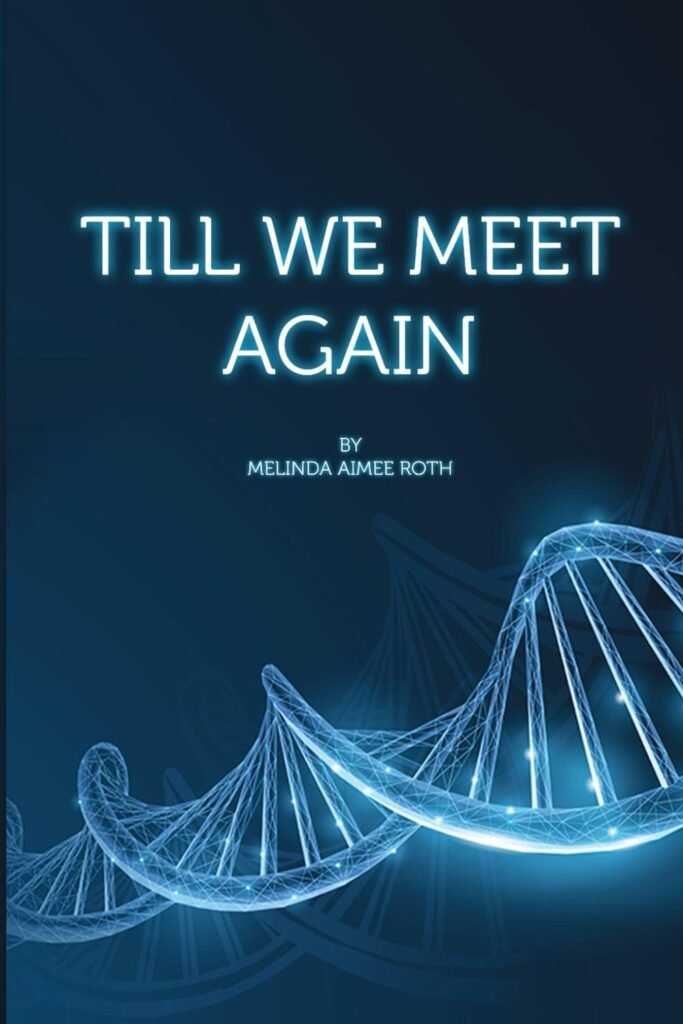
In her book, Melinda Aimee Roth reflects on how genetic testing not only revealed family connections but also provided a means of healing. As she uncovered the stories of her ancestors, stories that had been buried for decades, she was able to bridge the gap between the past and present, connecting with relatives who had long been lost. For Roth, and many others like her, the DNA test results brought a sense of closure and a deeper understanding of their identity.
Preserving Family History
The importance of preserving family histories, especially those related to Holocaust survivors, cannot be overstated. As generations pass, the memories of those who lived through the Holocaust risk being forgotten. Yet, through tools like DNA testing, these stories can be preserved and passed on, ensuring that the legacies of survival are never lost.
If you’ve ever been curious about your roots or the secrets your DNA might hold, Melinda Aimee Roth’s ’Till We Meet Again offers a fascinating exploration of personal history, science, and the power of discovery. This book beautifully intertwines the journey of unearthing the past with the emotional resonance of connecting with ancestors. Grab your copy today and start your own adventure into uncovering the untold stories of your family.