

5 Things People Discover When They Explore Their Ancestry

Exploring your ancestry is more than tracing names on a family tree. It is a journey into forgotten memories, hidden connections, and stories that shaped who you are today. Many people begin genealogy research looking for dates and names but discover something much deeper: a connection to generations that came before them.
In ‘Till We Meet Again by Melinda Aimee Roth, a personal search for family history becomes a powerful investigation into lost relatives, migration, DNA discoveries, and unanswered questions passed down through generations. The book demonstrates how exploring ancestry can uncover stories that history books often leave behind.
Here are five meaningful discoveries people often make when they explore their ancestry.
1. They Discover Family Stories That Were Almost Forgotten
Every family carries stories. Some are shared around dinner tables, while others disappear with time. Old letters, photographs, immigration records, and memories from relatives can reveal experiences that were never fully understood.
In ‘Till We Meet Again, a lost letter from Europe becomes the starting point of a decades-long search for answers about relatives and family connections separated by historical events. The journey shows how even a small piece of family history can hold important clues about the past.
2. They Discover Unexpected Relatives
One of the most surprising parts of ancestry research is finding relatives you never knew existed. DNA testing has helped many people connect with distant family members and rebuild branches of their family tree.
Through DNA matches and shared genetic connections, the book explores how Zuzana’s ancestry revealed possible links to the Chaimovics family line. These discoveries opened new possibilities about relationships that had remained unknown for generations.
3. They Discover the Impact of Migration and History
Families are shaped by movement. Wars, immigration, religious changes, and economic challenges often influence where people live and how families become separated.
Researching ancestry helps people understand why relatives moved across countries and how historical events affected individual lives. The stories preserved in ‘Till We Meet Again highlight the experiences of families connected across Slovakia, Europe, and America while searching for identity and belonging.
4. They Discover That DNA Can Answer Long-Standing Questions
DNA testing has transformed genealogy by providing new evidence about family relationships. While records and oral histories provide important background, genetic matches can offer additional clues.
The manuscript explores DNA comparisons, including shared Centimorgan measurements and ancestry matches, as tools used to investigate possible family relationships and uncover connections that traditional records could not easily confirm.
5. They Discover a Deeper Connection to Their Identity
Perhaps the greatest discovery in ancestry research is understanding yourself. Learning about ancestors’ struggles, achievements, choices, and survival can create a stronger sense of identity.
Family history reminds us that every person is part of a much larger story. The people who came before us left behind traditions, memories, and experiences that continue through future generations.
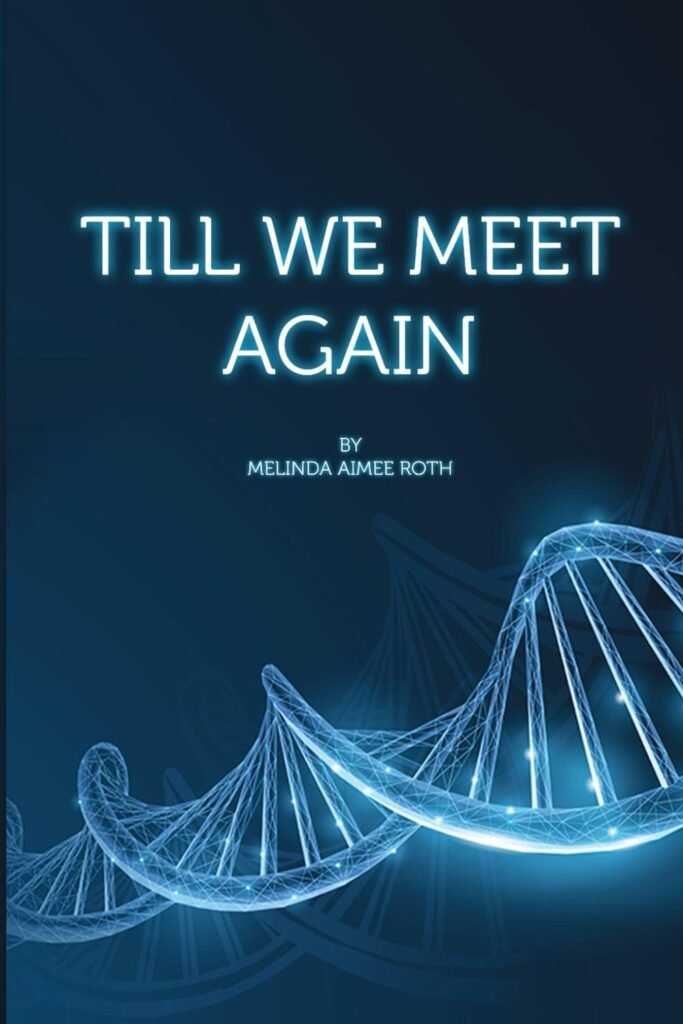
Discover a Family Story That Crosses Generations
‘‘Till We Meet Again by Melinda Aimee Roth is more than a genealogy investigation; it is a heartfelt exploration of memory, resilience, and the search for truth. Through photographs, historical research, DNA evidence, and personal stories, Melinda documents a journey to reconnect with the past and preserve family history for the future.
If you are fascinated by ancestry, hidden family connections, and the stories waiting inside your own family tree, ‘Till We Meet Again invites you to explore what happens when the past finally finds its way home.
Get your copy and begin your own journey of discovery, because every family has a story worth remembering.