

Breaking Down Brick Walls in Jewish Genealogy: How to Find Your Ancestors Against All Odds
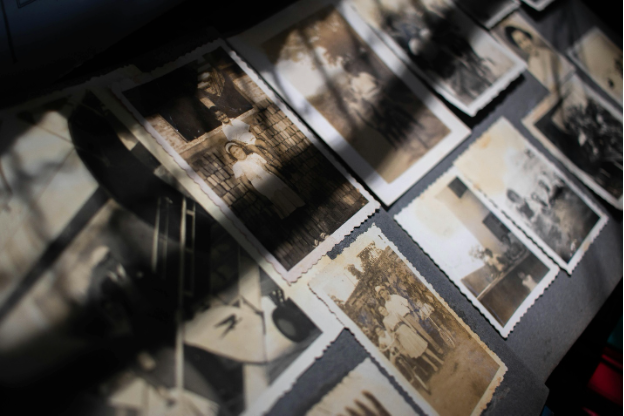
Jewish genealogy research is often a journey of perseverance, as tracing the lineage of Jewish ancestors can present unique challenges. For those trying to uncover their Jewish roots, the path is often filled with brick walls: lost records, destroyed archives, and complex family histories affected by centuries of migration and upheaval. But despite these obstacles, it’s still possible to break through the barriers and find your ancestors. With the right tools, strategies, and a little persistence, you can uncover the hidden branches of your family tree and restore the legacies of your Jewish heritage.
The Challenges of Jewish Genealogy
Genealogy research for any group can be complex, but Jewish genealogy presents its own set of unique challenges. The historical context of Jewish communities, marked by migrations, wars, and persecutions, often means that records were lost or never existed in the first place. Additionally, many Jewish families lived in regions that were frequently reshaped by political borders, and some records were destroyed during the Holocaust, leaving gaps that can seem impossible to fill.
Names, too, can be a challenge in Jewish genealogy research. Jewish families often had multiple names for various reasons, nicknames, Hebrew names, names altered due to immigration processes, or changes made during periods of persecution. This can make it difficult to track down specific ancestors, as family names might be different on official records than those used in everyday life.
Despite these challenges, Jewish genealogy research is far from impossible. With the right tools and knowledge, you can break through these brick walls and uncover the rich history of your Jewish ancestors.
Proven Strategies for Breaking Through Brick Walls
While researching Jewish genealogy can seem overwhelming, there are several strategies that can help you break down the barriers that stand between you and your ancestors. Here are some proven approaches to overcoming the obstacles you may encounter in your research:
1. Start with What You Know
Before jumping into databases or archives, start by gathering as much information as you can from family sources. Speak with older relatives, gather old family documents, and search through personal collections of letters, photographs, and records. These sources can provide valuable clues about family names, places of origin, and dates of significant events like births, marriages, and deaths.
2. Utilize Jewish-Specific Databases
Many genealogy platforms, such as Ancestry.com and MyHeritage, offer resources specific to Jewish ancestry. These include access to databases of Jewish communities, cemeteries, and Holocaust records. One of the most significant Jewish-specific resources is the JewishGen website, which provides a wealth of information on Jewish towns (shtetls), archives, and historical records. Many of these databases include indexed records, which can help you uncover hard-to-find ancestors.
Additionally, some archives have specialized collections focusing on Jewish populations, such as those from Eastern Europe, which are often pivotal in Jewish genealogy research. By tapping into these Jewish-specific databases, you’re better equipped to track down ancestors and break through genealogical barriers.
3. Work with DNA Testing
Genetic testing has revolutionized genealogy research, providing a powerful tool for breaking through barriers in Jewish genealogy. By testing your DNA through services like AncestryDNA or 23andMe, you can connect with distant relatives who might have more information or family records that you lack. DNA testing can also help confirm familial connections and offer additional leads in your search.
For Jewish genealogy, genetic testing can be particularly useful when dealing with common surnames, name changes, or when documentary evidence is sparse. Many individuals have found long-lost cousins through DNA testing, which can lead to the discovery of new family lines and provide clues that might not be found in traditional records.
4. Consult Jewish Genealogy Experts
When you encounter a brick wall that seems impossible to break through, it can be helpful to consult experts in Jewish genealogy. There are genealogists who specialize in Jewish ancestry and have a deep understanding of the unique challenges faced by those tracing their Jewish roots. These professionals can help you navigate the research process, interpret historical documents, and provide strategies to move forward.
Organizations like the International Association of Jewish Genealogical Societies (IAJGS) offer resources, conferences, and access to experts who can assist in breaking down genealogical barriers.
5. Be Persistent and Open to New Resources
Breaking through brick walls in Jewish genealogy often requires patience and persistence. New records are continually being digitized and made available online, so even if you hit a dead-end, it’s worth revisiting your research after a few months or years. You never know when new resources or databases might be released that could help you solve a particular mystery.
Also, don’t be afraid to explore alternative sources, such as local archives, regional museums, and synagogue records. Jewish history is rich with resources that can be found in the most unexpected places. Sometimes, a fresh approach or a new angle can yield the breakthrough you’ve been searching for.
Start Your Genealogical Journey Today
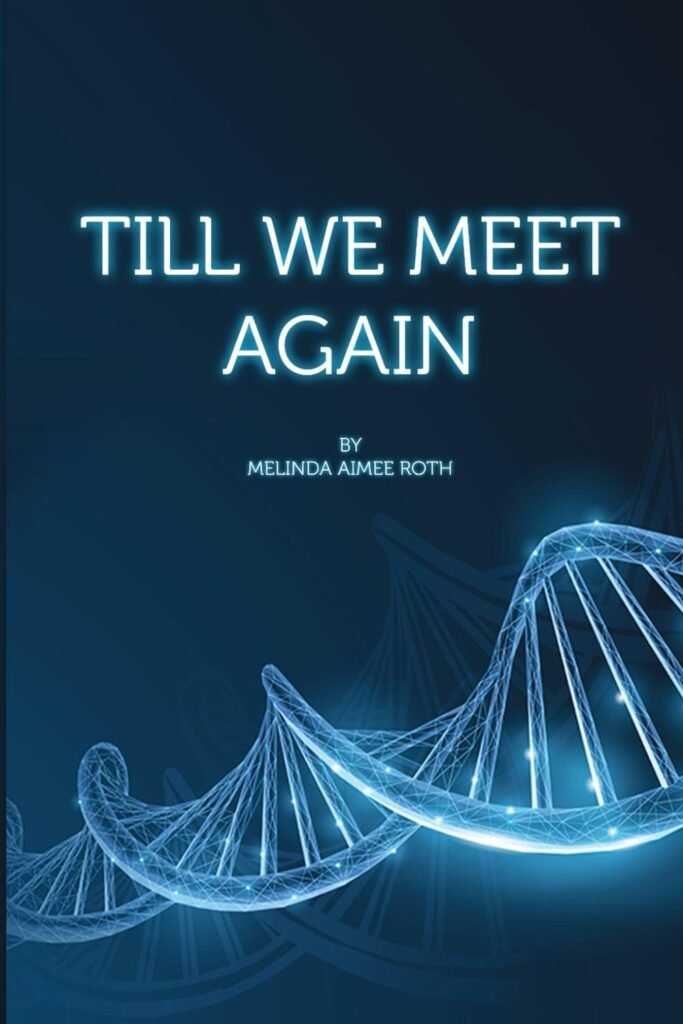
In her book, Melinda Aimee Roth demonstrates a powerful example of how, with the right strategies and persistence, you can break through the toughest brick walls in Jewish genealogy. By exploring her own journey of uncovering her Jewish roots, Roth reminds us of the emotional rewards of discovering family history and the deep sense of connection it can bring. If you’re ready to explore your own Jewish ancestry, overcome genealogical challenges, and uncover the powerful stories of your ancestors, get a copy of ’Till We Meet Again today and begin your own journey of discovery.