

How to Tackle the Toughest Challenges in Jewish Genealogy Research: Tips for Success
Jewish genealogy research can be an incredibly rewarding journey, but it also comes with its share of challenges. Tracing Jewish family roots often means navigating historical upheavals, such as migration, displacement, and record destruction, which can create significant roadblocks. From lost documents to common surname confusion, uncovering your Jewish heritage is often not a straightforward path. However, with the right strategies and persistence, you can overcome these challenges and successfully trace your family’s roots. In this blog, we’ll break down expert tips and advice to help you navigate the toughest obstacles in Jewish genealogy research.
Understanding the Unique Challenges of Jewish Genealogy
Jewish genealogy presents unique challenges that are not typically encountered in other genealogical research. The history of Jewish communities is often marked by migration, political upheaval, and persecution, which has led to lost or incomplete records. Many Jewish families, especially those from Eastern Europe, lived in areas where records were poorly kept or destroyed, particularly during the Holocaust. These disruptions make Jewish genealogical research more complicated, but not impossible.
Additionally, Jewish surnames can be a challenge in genealogy research. Many Jewish families have undergone name changes throughout history, whether due to immigration processes, assimilation pressures, or the adoption of surnames by communities that did not have them previously. This can make it hard to identify specific family lines, as multiple branches of a family may use different surnames on official documents.
Tip 1: Start with What You Know
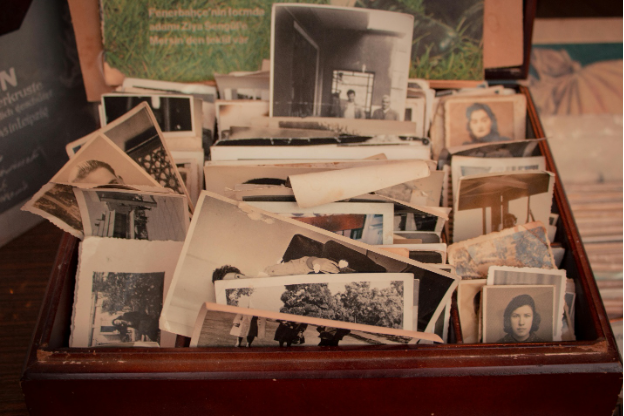
Before diving into databases and archives, start your research with the information you already have. Gather all available family records, including birth certificates, immigration documents, family trees, old photographs, and letters. Speak with older relatives, who may have valuable oral histories or family anecdotes that can provide important details about your ancestors.
By starting with what you know, you can build a foundation for your research and identify specific names, dates, and locations to focus on. This information will help you target your research efforts more efficiently and give you clues about potential roadblocks.
Tip 2: Utilize Jewish-Specific Genealogy Resources
Jewish genealogical research often requires specialized tools and databases. Fortunately, several resources focus specifically on Jewish ancestry, which can significantly aid your search.
JewishGen.org is one of the most comprehensive and widely used platforms for Jewish genealogy research. It offers access to a wealth of records, including Jewish cemetery databases, Yizkor books (memorial books for Jewish communities), and Holocaust-era archives. JewishGen also hosts forums and connects users to Jewish genealogists who can offer expert advice.
In addition to JewishGen, sites like Ancestry.com and MyHeritage also offer access to specialized Jewish collections, including immigration records and Jewish community records from around the world. These platforms can provide valuable leads and allow you to connect with distant relatives who may have additional family information.
Tip 3: Use DNA Testing to Break Through Brick Walls
DNA testing has revolutionized genealogical research, especially for those working with limited records. By submitting a DNA sample to services like AncestryDNA, 23andMe, or MyHeritage, you can potentially find genetic matches to distant cousins or relatives who may have more detailed family records than you.
For Jewish genealogy, DNA testing can help resolve issues with common surnames or name changes, as genetic connections can help confirm family relationships even when official documents are incomplete or inconsistent. Additionally, DNA testing can identify ancestral origins, providing insight into your family’s ethnic and geographic history.
Be sure to share your results with genetic communities or forums dedicated to Jewish genealogy. Many Jewish genealogists have successfully used DNA matches to break through genealogical barriers and uncover lost family lines.
Tip 4: Search for Non-Traditional Records
While vital records such as birth, marriage, and death certificates are incredibly useful, they may not always be available, especially for Jewish families in Eastern Europe. In these cases, non-traditional records can be invaluable.
Consider searching for synagogue records, such as lists of bar and bat mitzvahs, marriage registrations, or burial records. Additionally, Jewish newspapers and periodicals often published obituaries, articles, and community news that can provide insights into your ancestors’ lives.
If you are researching ancestors who immigrated to the United States, naturalization records, passenger lists, and Ellis Island records can also be helpful in tracking their arrival and settlement. These documents may provide crucial details about your ancestors’ origins and their journey to their new home.
Tip 5: Collaborate with Experts
Jewish genealogy research can be complex, and when you hit a dead-end, it’s helpful to reach out to experts. Consider consulting professional genealogists who specialize in Jewish ancestry. Many genealogists have the expertise and resources to navigate difficult research challenges, such as deciphering old Yiddish or Hebrew documents, identifying obscure historical records, and understanding the complexities of Jewish name changes.
There are also numerous Jewish genealogy societies and forums where you can connect with fellow researchers, share your findings, and ask for advice. Organizations like the International Association of Jewish Genealogical Societies (IAJGS) host conferences, webinars, and workshops that can provide valuable insights into Jewish genealogy research.
Tip 6: Be Patient and Persistent
Genealogical research, particularly Jewish genealogy, is often a marathon, not a sprint. It’s important to be patient and persistent, especially when you encounter obstacles. Sometimes, breakthroughs come after months or even years of research, so don’t get discouraged if you hit a brick wall. Keep exploring different avenues, and remember that every small piece of information brings you one step closer to your ancestor’s story.
Begin Your Journey of Discovery
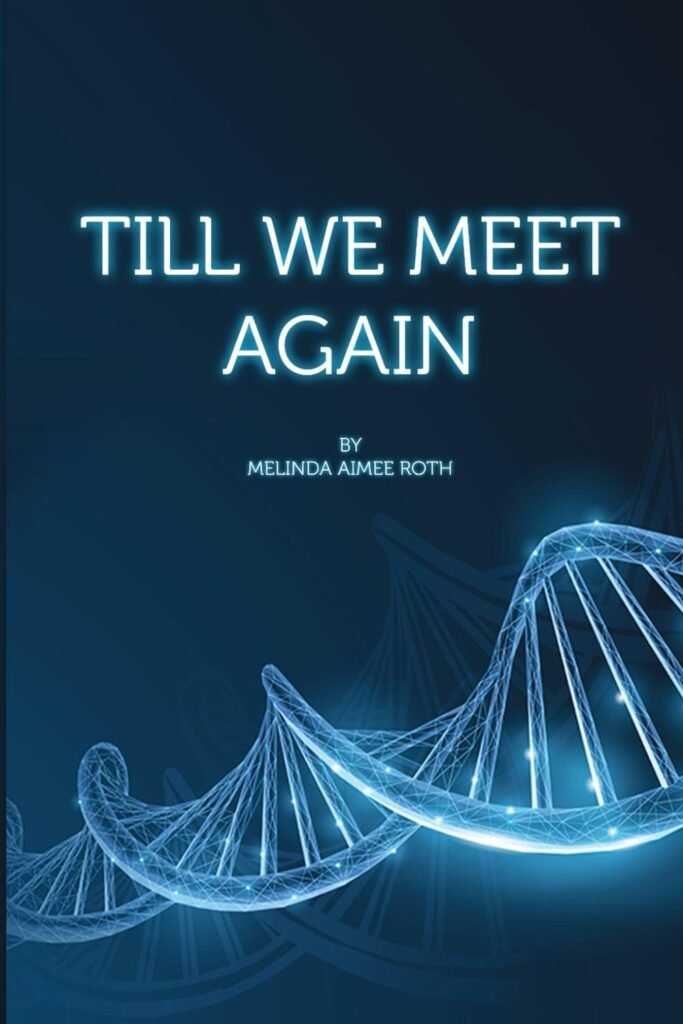
Melinda Aimee Roth, in her book, offers an inspiring example of how breaking through barriers in Jewish genealogy research can uncover your family’s history. Through persistence and the right strategies, Roth’s journey highlights the emotional rewards of discovering your roots. If you’re ready to trace your Jewish ancestry, overcome genealogical challenges, and uncover the powerful stories of survival, grab a copy of ’Till We Meet Again today and begin your own journey of discovery.