

The Biggest Mistakes People Make When Researching Their Family Tree

Researching a family tree can be an exciting journey filled with unexpected discoveries, emotional connections, and fascinating stories from the past. However, genealogy research is not always simple. Missing records, incorrect assumptions, and incomplete information can create challenges for even the most dedicated researchers.
Building an accurate family history requires patience, careful investigation, and a willingness to look beyond the obvious answers. By understanding common mistakes, researchers can avoid confusion and create a clearer picture of their ancestors’ lives.
1. Relying on One Source of Information
One of the biggest mistakes people make when researching their family tree is depending on a single source. A family story, online record, or DNA match can provide valuable clues, but it may not tell the complete story.
Memories can change over generations, documents can contain errors, and online family trees may include information that has not been verified.
A stronger approach is to compare multiple sources, including photographs, letters, historical documents, family interviews, and genealogy records. Each piece of evidence helps create a more complete understanding of the past.
2. Ignoring Family Stories and Personal Memories
Some researchers focus only on official records and overlook the stories shared by relatives. While documents provide important facts, personal memories often reveal details about migration, relationships, traditions, and experiences.
A simple story from a grandparent or an old letter stored away in a family collection may provide clues that cannot be found anywhere else.
Family history is not only about dates and names; it is also about understanding the people behind those names.
3. Making Assumptions Too Quickly
Genealogy research requires curiosity and patience. One common mistake is accepting the first possible answer without investigating other possibilities.
A similar name, matching location, or possible relationship may appear convincing, but additional research is often needed before reaching conclusions.
The most successful family history discoveries come from carefully examining evidence and remaining open to new information.
4. Overlooking the Importance of DNA Evidence
DNA testing has become a valuable tool for genealogy research, especially when traditional records are missing or incomplete. However, another common mistake is misunderstanding what DNA results can reveal.
DNA matches can provide clues about possible relationships, but they work best when combined with historical research and family records.
Genetic information can open new paths of discovery, helping researchers explore connections that may have remained hidden for generations.
5. Forgetting to Preserve the Research Journey
Many people focus on finding answers but forget to document the process. Research notes, photographs, family interviews, and historical findings are valuable records for future generations.
Preserving your research ensures that others can understand how discoveries were made and continue exploring the family story.
Every family history project becomes part of a larger legacy that connects past, present, and future generations.
Conclusion
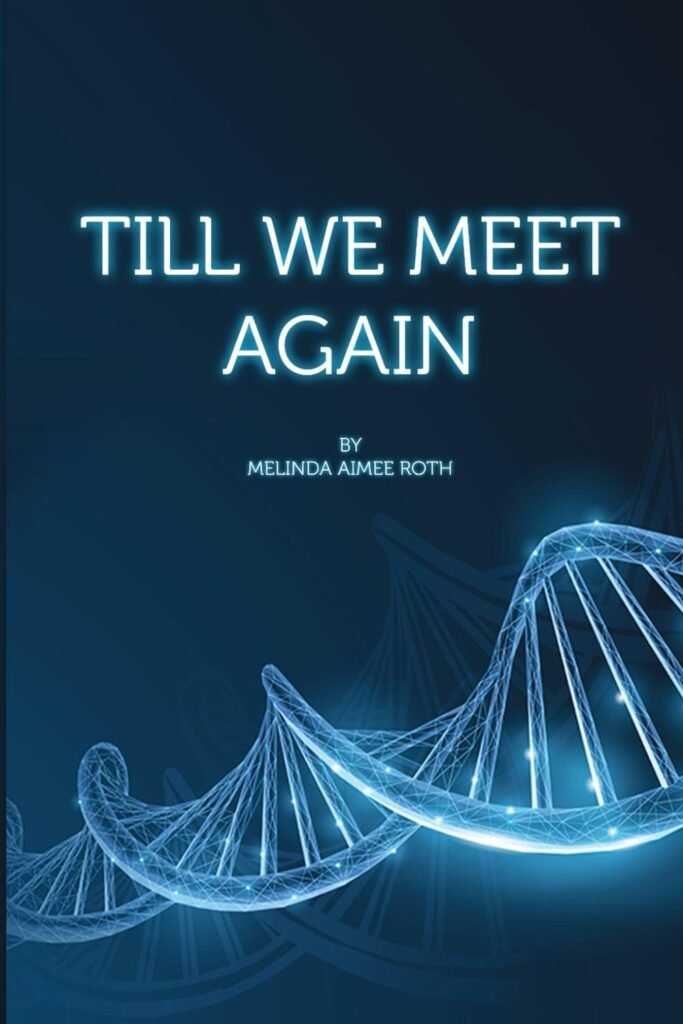
Exploring a family tree often reveals unexpected questions, forgotten connections, and stories waiting to be rediscovered. ‘Till We Meet Again by Melinda Aimee Roth follows a personal genealogy journey involving family memories, historical research, photographs, migration experiences, and DNA discoveries. The book documents the search for answers about family relationships and the effort to preserve stories that might otherwise disappear with time.
For anyone interested in ancestry research, genealogy mysteries, and the powerful connections hidden within family history, ‘Till We Meet Again offers an inspiring look at how determination and research can bring the past closer to the present.
Get your copy today and explore how the clues left behind by ancestors can reveal stories of identity, resilience, and belonging.