

The Role of Reflection and Remorse in Uncovering Family History
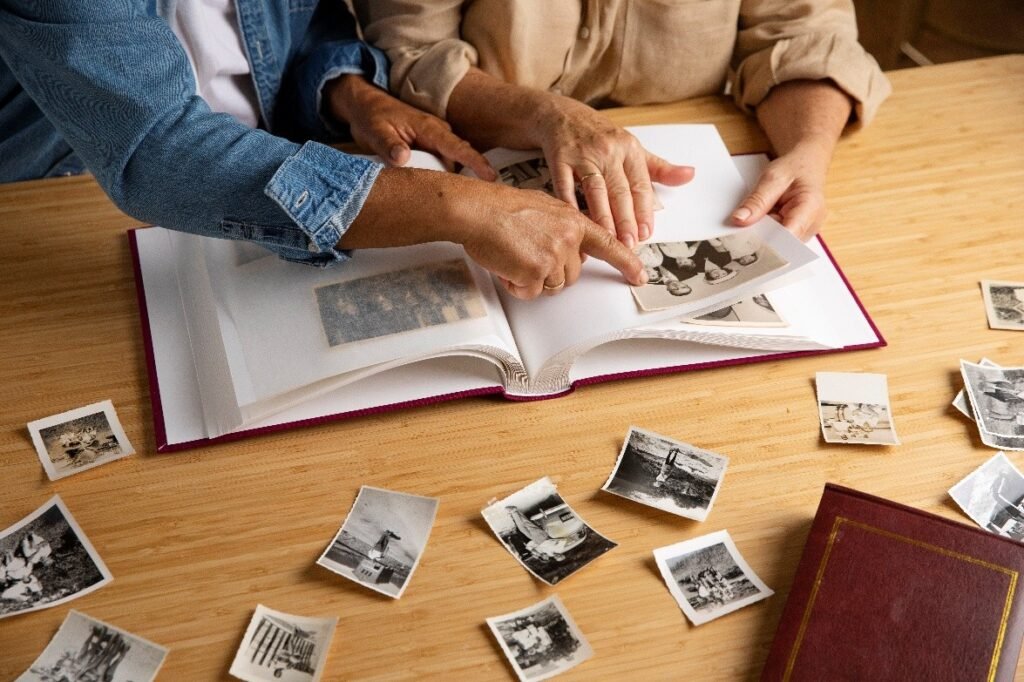
Uncovering family history is more than just a search for names and dates, it’s an emotional journey that connects you with your past. Often, it involves reflecting on the choices, struggles, and regrets of previous generations. In doing so, you uncover deeper insights into your family’s legacy that facts alone cannot provide. Here’s how the process of reflection and addressing feelings of remorse can lead to meaningful discoveries as you research your family’s history.
Reflection: Unlocking Hidden Stories
While researching your family’s history, it’s easy to get lost in records, birth certificates, marriage licenses, and census documents. But reflection on the past is what truly brings your family’s story to life. It’s not just about names in a database; it’s about understanding the lives and experiences behind those names. Taking time to reflect on personal stories, memories, and feelings can give you a more nuanced understanding of your family’s history.
Through reflection, you can:
- Identify patterns in behavior or life choices
- Understand generational cycles of struggle and success
- Connect with ancestors on a deeper emotional level
When you take the time to reflect, you move beyond just facts to understand the emotional, social, and cultural context that shaped your family’s decisions. This deeper perspective can often bring clarity and even unlock new paths for further research.
Remorse: Healing the Past Through Understanding
Remorse, though difficult, can serve as a powerful catalyst when researching family history. Feeling regret about lost opportunities, unresolved family conflicts, or unanswered questions often drives us to uncover the truth. While these emotions can be uncomfortable, they push us to explore deeper and seek understanding. Addressing feelings of remorse helps us not only to resolve family mysteries but also to come to terms with the past.
By acknowledging and processing remorse, you can:
- Uncover long-hidden family stories
- Find closure to emotional conflicts
- Heal generational wounds by understanding family dynamics
The emotional drive that comes from remorse allows you to connect the dots between unresolved issues and gain clarity on the struggles that shaped your family. It can lead you to discover untold stories of hardship, sacrifice, and resilience.
Closing Thoughts
If you’re ready to dive deeper into your family history, the process of reflection and understanding remorse will guide you to meaningful insights and discoveries. Start by reflecting on your own family’s stories, and don’t shy away from addressing the unresolved emotions that may surface. These reflections will help you uncover a fuller, richer history that can lead to powerful, life-changing discoveries.
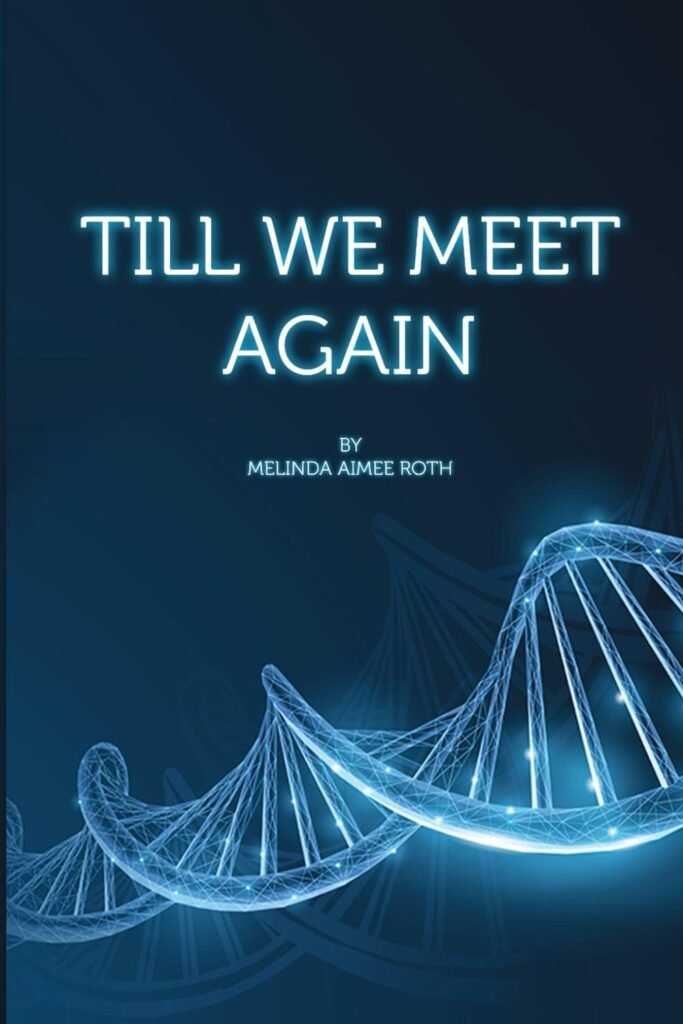
If you’re inspired to begin your journey into uncovering the past, ’Till We Meet Again by Melinda Aimee Roth is a great place to start. In her book, Roth blends personal reflection with historical research to uncover her own family’s hidden stories.
Order your copy today and begin your own exploration into your family’s legacy. Let the stories of the past help you understand the present and shape the future.