

The Healing Power of Reconnecting with Family Lost to History

History does not disappear, it waits. For many people, family history contains silences shaped by migration, war, poverty, secrecy, or trauma. Names vanish from records, stories end mid-sentence, and photographs lose their captions. Yet when we attempt to recover those missing threads, something remarkable often happens: the act of searching becomes an act of healing.
Reconnecting with family lost to history is not only about uncovering facts. It is about restoring continuity to a life narrative that once felt fragmented. In that restoration, emotional and psychological repair can quietly take place.
When Absence Becomes an Inheritance
Families do not only pass down traditions and heirlooms, they also pass down absences. These may take the form of unanswered questions, unspoken grief, or inherited anxiety. Children and grandchildren often sense that something is missing long before they can name it.
Silence can be protective, especially after trauma, but it can also leave later generations carrying emotions they do not fully understand. Unexplained loss has a way of echoing. Reconnecting with lost family history helps transform vague unease into understanding. Knowing what happened does not erase pain, but it gives pain a context, and context is grounding.
The Search as a Form of Agency
Researching family history restores a sense of agency to stories shaped by forces beyond individual control. War, persecution, forced migration, and economic hardship stripped many ancestors of choice. By choosing to search, document, and remember, descendants reclaim a measure of power.
The process itself, reading records, analyzing DNA, visiting ancestral places, and speaking with relatives, can be profoundly stabilizing. It shifts one from passive inheritor of silence to active participant in meaning-making. Even when answers are incomplete, the act of looking affirms that the past matters and that those lives were significant.
Emotional Integration Across Generations
Reconnection often brings unexpected emotional responses: grief for people never met, relief at long-held questions answered, or tenderness toward ancestors once reduced to names. These emotions are not signs of weakness; they are signs of integration.
When family stories are restored, individuals often report feeling “more whole.” This wholeness comes from aligning internal identity with historical truth. Instead of imagining one’s life as beginning in isolation, it becomes part of a longer human continuum. That sense of belonging can reduce feelings of alienation and deepen compassion, for oneself and for others.
Memory as an Act of Care
Remembering is not passive nostalgia; it is an ethical act. To remember ancestors who were erased or forgotten is to affirm their dignity. This act of care can be deeply healing, especially for families touched by historical violence or displacement.
By speaking names aloud, preserving stories, and sharing discoveries with others, descendants ensure that loss does not have the final word. Memory becomes a bridge between generations, transforming absence into presence.
Conclusion
Reconnecting with family lost to history is not about dwelling on the past, but about understanding ourselves more fully. When we recover forgotten stories and names, we restore continuity where silence once lived.
The healing comes not from having every answer, but from the willingness to remember. In honoring those who came before us, we transform absence into meaning, and allow the past to guide us forward with greater clarity and compassion.
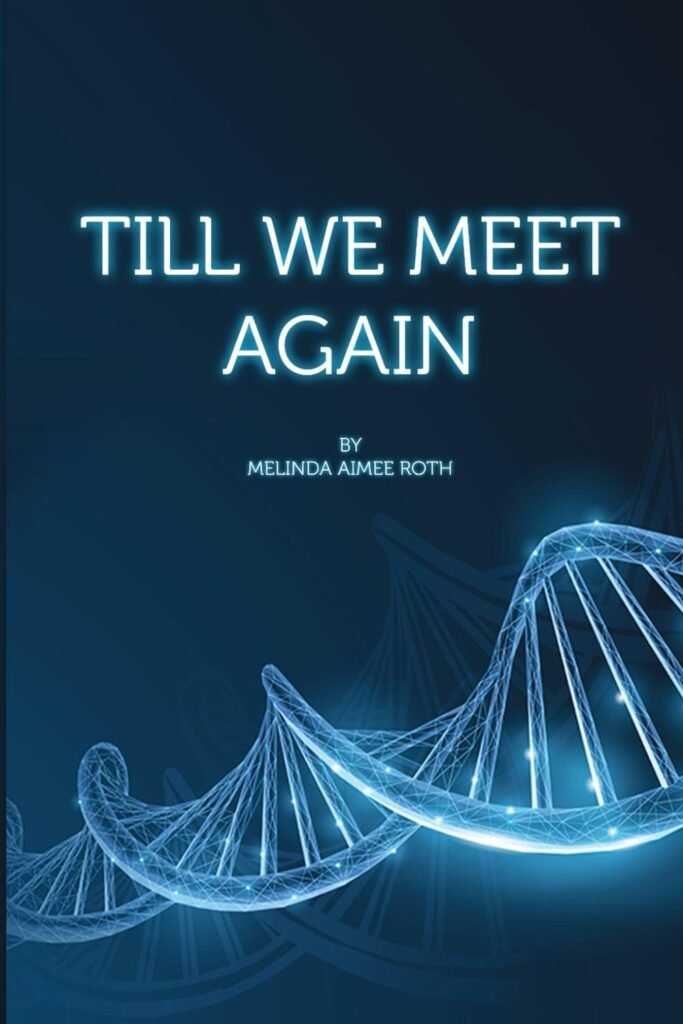
If this resonates with you, ’Till We Meet Again by Melinda Aimee Roth offers a powerful, real-life exploration of how uncovering lost family history, through DNA, archives, and courage, can lead to healing, understanding, and unexpected reunion.
Whether you are curious about your ancestry, grappling with inherited silence, or searching for meaning in the stories left untold, this book invites you to begin. Sometimes, the most profound healing starts with a single question, and the willingness to remember. Get your copy today.