
How to Bridge Generations with a Family History

How to Bridge Generations with a Family History That’s Been Lost Over Time

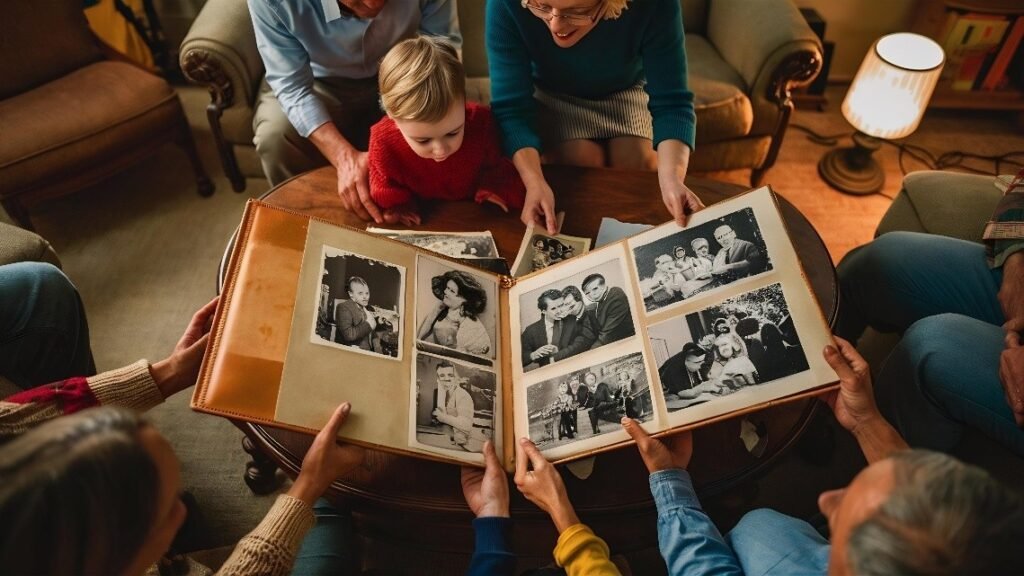
Many families carry a shared sense of loss they cannot quite name. Stories fade, names disappear, and connections weaken as generations pass. Wars, migration, silence, and trauma often interrupt the transfer of family history, leaving younger generations with fragments instead of narratives. Yet even when history feels lost, it can still be recovered, and doing so can become a powerful way to bridge generations.


Rebuilding family history is not just about uncovering facts; it is about restoring relationships between past, present, and future.

Accept That Gaps Are Part of the Story

The first step in bridging generations is accepting that missing information is not a failure, it is part of the legacy. Families often avoid difficult histories out of protection or pain. Recognizing this helps remove blame and opens space for curiosity.


When elders feel safe acknowledging uncertainty, younger generations learn that it is acceptable not to have all the answers. This shared honesty fosters trust and invites collaboration rather than judgment.

Start Conversations, Not Interrogations

Family history emerges most naturally through conversation. Instead of pressing for dates or details, ask open-ended questions: What do you remember about your parents? What traditions mattered most growing up? What stories were told when you were young?


These questions encourage storytelling rather than defensiveness. Even small anecdotes, such as how a holiday was celebrated, what work was done, and why a move occurred, become connective tissue between generations.

Use Modern Tools as Shared Projects

Technology has transformed genealogy into an accessible, collaborative activity. DNA testing, digital archives, and online family trees allow multiple generations to participate together.


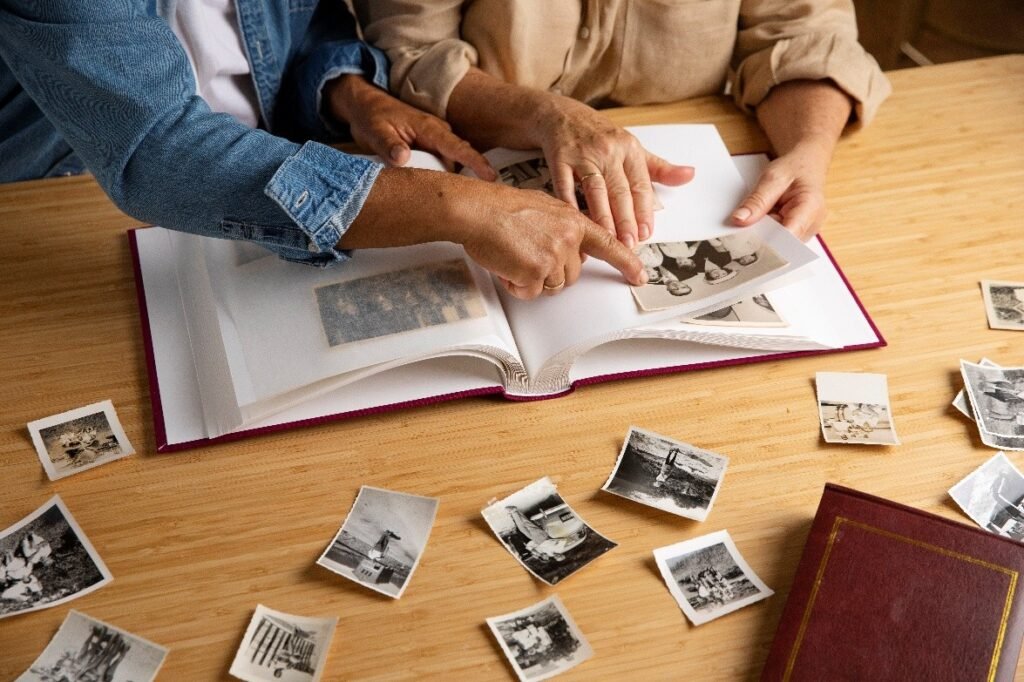
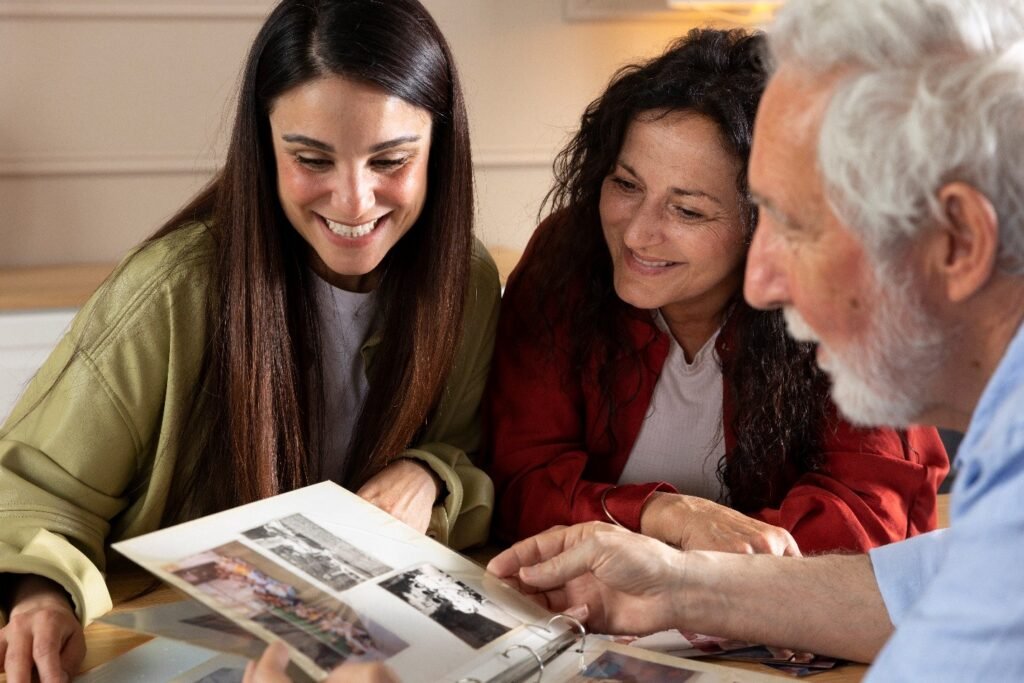
When younger family members assist elders with research, scanning photographs, or interpreting records, roles reverse in meaningful ways. Knowledge flows both directions, reinforcing mutual respect and shared purpose.

Preserve Stories in Tangible Ways

Bridging generations requires preservation. Oral stories are precious, but they can disappear quickly. Recording interviews, writing short narratives, or creating digital albums ensures that discoveries endure.


These preserved stories become gifts to future generations, offering them a sense of identity and continuity. Knowing where one comes from strengthens understanding of where one belongs.

Acknowledge Pain Alongside Pride

Lost family histories often contain hardship, displacement, discrimination, or trauma. Addressing these realities with care deepens connection rather than weakening it.


When families acknowledge pain together, they model resilience and empathy. Younger generations gain context for inherited behaviors or values, while elders feel seen and honored rather than erased.

Let Reconnection Be an Ongoing Practice

Bridging generations is not a one-time project. It is an ongoing dialogue that evolves as new information emerges and perspectives shift.


By treating family history as a living story, families create a shared narrative that links generations across time. In reclaiming what was lost, they discover that connection itself, across age, memory, and experience, is the true inheritance.
Continue the Journey Through Story

When family history has faded, what matters most is not perfect knowledge but shared effort. By gathering fragments with care and inviting open dialogue, families turn silence into connection. Even incomplete stories can become a powerful legacy, one that links generations through understanding, empathy, and the simple act of remembering together.

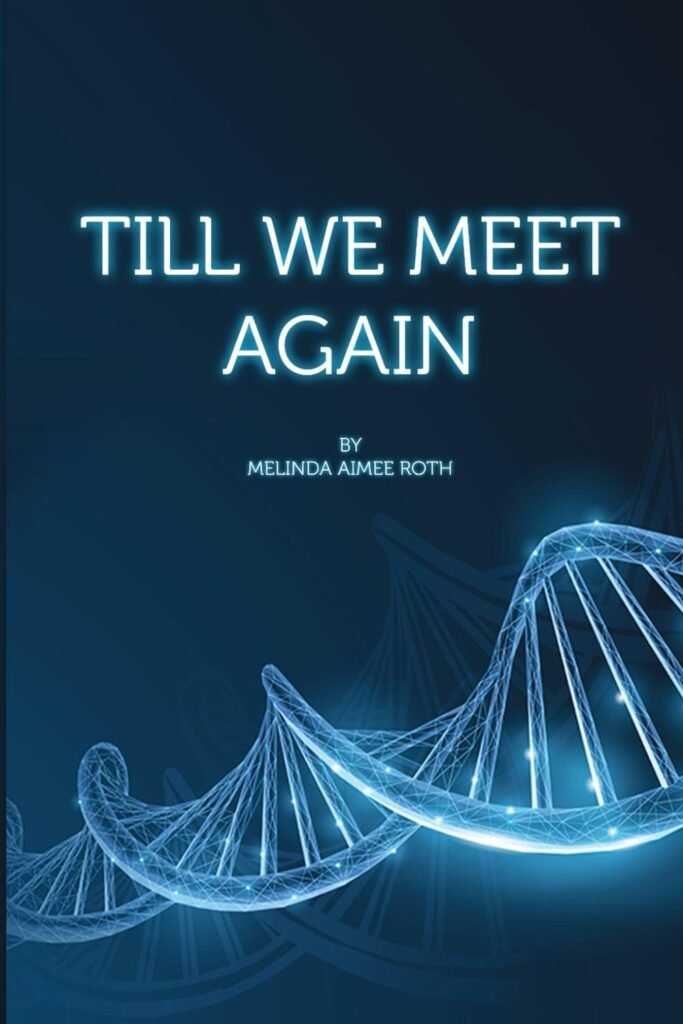
If you’d like to see how this process unfolds in real life, ’Till We Meet Again by Melinda Aimee Roth offers a moving example of how uncovering lost family history can restore identity and connection. Get your copy and begin building bridges between generations through the stories that deserve to be remembered.

Use Genealogy to Foster a Deeper Sense of Belonging

How to Use Genealogy to Foster a Deeper Sense of Belonging

In a world that often feels fragmented and fast-moving, many people experience a quiet sense of disconnection, from place, from community, and even from themselves. Genealogy offers a powerful antidote. More than a hobby or academic pursuit, genealogy can become a meaningful practice that helps individuals understand where they come from and, in doing so, feel a deeper sense of belonging.


Belonging is not only about where we live or who surrounds us now; it is also about knowing the human story that made our lives possible.

Begin with Curiosity, Not Perfection

The first step in using genealogy to foster belonging is allowing curiosity to lead the way. You do not need complete records, expert knowledge, or a clear family tree to begin. A single name, photograph, or unanswered question is enough.


Approach genealogy with openness rather than expectation. Some stories will be joyful, others painful, and some incomplete. Belonging grows not from idealized narratives, but from honest engagement with real lives lived under real circumstances.

Use Stories to Humanize the Past

Dates and documents matter, but stories create connection. When researching ancestors, look beyond birth and death records. Seek out occupations, migrations, marriages, letters, and community ties. Ask older relatives about memories, habits, and sayings, not just facts.


When ancestors become people rather than abstractions, the past feels closer. Their struggles and choices begin to mirror modern concerns, reminding us that we are part of an ongoing human experience rather than isolated individuals.

Connect Place to Identity

Genealogy often leads to places, villages, neighborhoods, regions, or countries. Learning where ancestors lived, worked, and raised families can foster a powerful sense of rootedness, even if you have never visited those locations.


Mapping ancestral places helps situate identity geographically and culturally. It explains traditions, values, and even personality traits that persist across generations. Place transforms ancestry from a list of names into a lived landscape.

Acknowledge Complexity and Loss

Belonging deepens when genealogy includes honesty. Many family histories involve displacement, trauma, secrecy, or erasure. Acknowledging these realities does not weaken identity, it strengthens it.


By recognizing loss alongside survival, individuals develop compassion for both ancestors and themselves. This balanced understanding allows belonging to emerge from truth rather than denial, creating a more stable and authentic sense of self.

Build Bridges Across Generations

Genealogy is most powerful when shared. Discuss findings with relatives, create family documents, or pass stories on to younger generations. These conversations often open emotional doors, healing rifts and creating new bonds.


Shared history fosters shared identity. When families know their collective story, individuals feel less alone in their experiences and more connected to something larger than themselves.

Let Belonging Be the Outcome, Not the Goal

Genealogy works best when belonging is allowed to arise naturally. As research unfolds, patterns emerge, resilience, creativity, faith, or courage, that can be carried forward intentionally.


By engaging with genealogy as a living dialogue rather than a static record, individuals discover that belonging is not something to be found externally. It is something revealed through connection, remembrance, and the understanding that we are part of a story still unfolding.


If you are ready to explore genealogy not just as research, but as a path toward meaning and belonging, Till We Meet Again by Melinda Aimee Roth is a good fit. The book traces one woman’s search for lost family connections and shows how understanding the past can quietly reshape identity, empathy, and connection in the present. Get your copy today!

The Healing Power of Reconnecting with Family

The Healing Power of Reconnecting with Family Lost to History

History does not disappear, it waits. For many people, family history contains silences shaped by migration, war, poverty, secrecy, or trauma. Names vanish from records, stories end mid-sentence, and photographs lose their captions. Yet when we attempt to recover those missing threads, something remarkable often happens: the act of searching becomes an act of healing.

Reconnecting with family lost to history is not only about uncovering facts. It is about restoring continuity to a life narrative that once felt fragmented. In that restoration, emotional and psychological repair can quietly take place.

When Absence Becomes an Inheritance

Families do not only pass down traditions and heirlooms, they also pass down absences. These may take the form of unanswered questions, unspoken grief, or inherited anxiety. Children and grandchildren often sense that something is missing long before they can name it.


Silence can be protective, especially after trauma, but it can also leave later generations carrying emotions they do not fully understand. Unexplained loss has a way of echoing. Reconnecting with lost family history helps transform vague unease into understanding. Knowing what happened does not erase pain, but it gives pain a context, and context is grounding.

The Search as a Form of Agency

Researching family history restores a sense of agency to stories shaped by forces beyond individual control. War, persecution, forced migration, and economic hardship stripped many ancestors of choice. By choosing to search, document, and remember, descendants reclaim a measure of power.


The process itself, reading records, analyzing DNA, visiting ancestral places, and speaking with relatives, can be profoundly stabilizing. It shifts one from passive inheritor of silence to active participant in meaning-making. Even when answers are incomplete, the act of looking affirms that the past matters and that those lives were significant.

Emotional Integration Across Generations

Reconnection often brings unexpected emotional responses: grief for people never met, relief at long-held questions answered, or tenderness toward ancestors once reduced to names. These emotions are not signs of weakness; they are signs of integration.


When family stories are restored, individuals often report feeling “more whole.” This wholeness comes from aligning internal identity with historical truth. Instead of imagining one’s life as beginning in isolation, it becomes part of a longer human continuum. That sense of belonging can reduce feelings of alienation and deepen compassion, for oneself and for others.

Memory as an Act of Care

Remembering is not passive nostalgia; it is an ethical act. To remember ancestors who were erased or forgotten is to affirm their dignity. This act of care can be deeply healing, especially for families touched by historical violence or displacement.


By speaking names aloud, preserving stories, and sharing discoveries with others, descendants ensure that loss does not have the final word. Memory becomes a bridge between generations, transforming absence into presence.

Conclusion

Reconnecting with family lost to history is not about dwelling on the past, but about understanding ourselves more fully. When we recover forgotten stories and names, we restore continuity where silence once lived.


The healing comes not from having every answer, but from the willingness to remember. In honoring those who came before us, we transform absence into meaning, and allow the past to guide us forward with greater clarity and compassion.


If this resonates with you, ’Till We Meet Again by Melinda Aimee Roth offers a powerful, real-life exploration of how uncovering lost family history, through DNA, archives, and courage, can lead to healing, understanding, and unexpected reunion.

Whether you are curious about your ancestry, grappling with inherited silence, or searching for meaning in the stories left untold, this book invites you to begin. Sometimes, the most profound healing starts with a single question, and the willingness to remember. Get your copy today.

Family’s History Can Help Heal Generational Wounds

How Exploring Your Family’s History Can Help Heal Generational Wounds

Family history isn’t just a collection of names, dates, and places; it’s a living narrative that connects generations. Exploring your family’s past can offer far more than just an understanding of where you come from. For many, delving into their family’s history helps uncover hidden truths, clarify long-standing misunderstandings, and, perhaps most importantly, promote healing of generational wounds. Here’s how reflecting on your family’s history can help heal these emotional scars and restore familial connections.

Uncovering Hidden Truths

Generational wounds often stem from unresolved issues, past traumas, or secrets that have been passed down but never fully understood. When these issues go unaddressed, they can linger and affect future generations. One of the most powerful ways to heal these wounds is by uncovering the hidden truths of the past. Family history research can uncover facts that might explain longstanding family tensions, misunderstandings, or estrangements.

For example, discovering why a particular ancestor faced hardships or made difficult decisions can shed light on why certain patterns emerged in your own family. This kind of discovery can lead to a greater sense of empathy, allowing family members to understand why past actions took place.

By exploring your family’s history, you can:

  1. Clarify unresolved issues that have lingered in the family for generations
  2. Gain a deeper understanding of family dynamics and decisions made in the past
  3. Reveal untold stories that help provide context for generational behaviors

These discoveries can serve as a starting point for healing, as they allow family members to acknowledge and address the wounds that have shaped their relationships.

Promoting Healing Through Understanding

Healing generational wounds requires more than just uncovering the past, it requires understanding it. By learning about the struggles and experiences of previous generations, family members can begin to connect with one another in a more empathetic and compassionate way. Understanding the pain and challenges that your ancestors faced can open the door to forgiveness, compassion, and healing in the present.

For instance, if a family is struggling with communication issues, learning about an ancestor’s experience with war, displacement, or hardship can provide insight into why emotional walls were built and why certain coping mechanisms emerged. This understanding can help family members break the cycle and develop healthier ways of relating to one another.

Here’s how exploring your family’s history can promote healing:

  1. Foster empathy for ancestors and their challenges
  2. Create space for difficult conversations that need to be had
  3. Encourage forgiveness by acknowledging past pain

When you understand why certain behaviors or issues have persisted through the generations, you can start to address them and begin the healing process.

How Family History Can Change the Future

Generational wounds often result in repeated patterns of behavior that can be passed from one generation to the next. However, by confronting the past, we have the ability to break these cycles. Understanding where these wounds originated allows families to make conscious choices to change these patterns and heal moving forward.

By acknowledging past pain and making an effort to understand it, you open the door to healthier relationships, better communication, and more compassionate interactions in the present. This process not only helps heal old wounds but also strengthens family bonds and creates a more connected future.

Exploring your family’s history gives you the opportunity to:

  1. Break negative cycles that have been passed down through generations
  2. Reframe family narratives to focus on healing, growth, and strength
  3. Establish healthier relationships by addressing unresolved issues

By understanding the legacy of your family’s struggles, you can take steps to create a different path, one that leads to healing, forgiveness, and renewal.

Conclusion

If you’re ready to explore your family’s history and heal generational wounds, now is the perfect time to start. By researching your ancestors, speaking with relatives, and reflecting on the stories of your family’s past, you can uncover the truths that will help promote healing and understanding.

If you’re looking for inspiration in your journey, ’Till We Meet Again by Melinda Aimee Roth offers a deeply personal account of uncovering family history and healing emotional wounds. Order your copy today to start your own exploration into the past and begin the process of healing for yourself and your family.

Genealogy Research

The Intersection of Science and Emotion in Genealogy Research

Genealogy research is often a deeply personal journey that combines scientific discovery with emotional exploration. While the use of DNA testing and other scientific methods provides tangible facts about ancestry, the emotional process of uncovering family stories allows us to connect with our roots on a more personal level. In this blog, we’ll explore how the blending of science and emotion can enhance your understanding of your family history.

Science: Uncovering the Facts

The scientific side of genealogy research is driven by tools such as DNA testing, archival records, and genetic analysis. These methods provide objective, data-driven insights that allow us to trace our ancestral lineage with a high degree of accuracy. Here’s how science plays a crucial role in genealogy research:

  • DNA Testing: Modern genetic testing tools like AncestryDNA and 23andMe allow individuals to trace their genetic roots, revealing not just geographical origins but also distant relatives and genetic traits.
  • Archival Research: Historical records, such as birth certificates, census data, and immigration records, offer concrete details that help build a family tree.
  • Genetic Genealogy: By combining DNA testing with family tree analysis, genetic genealogy enables researchers to connect with living relatives and verify historical connections that may have otherwise been lost.

Through these scientific methods, genealogy researchers can uncover valuable, factual information that provides a solid foundation for their family history.

Emotion: Connecting with the Past

While science offers the tools to trace lineage, it’s the emotional journey that truly brings genealogy to life. Exploring family stories, personal memories, and ancestral traditions can create a deep emotional connection to the past. Here’s how emotion plays a key role:

  • Personal Stories: Oral histories and family anecdotes allow us to understand the personal experiences of our ancestors, making the research more relatable and meaningful.
  • Healing and Reflection: The emotional process of learning about past struggles, triumphs, and sacrifices can also serve as a form of healing and reflection, helping to resolve generational wounds and gain closure.
  • Identity and Legacy: The emotional aspect of genealogy is deeply tied to personal identity. Learning about where you come from and the experiences that shaped your ancestors can foster a stronger sense of connection to your own heritage.

Emotion brings depth to the facts discovered through scientific methods, adding a layer of personal meaning that turns dry data into a rich, emotional narrative.

The Powerful Combination of Science and Emotion

When science and emotion come together in genealogy research, they create a powerful synergy that enhances the entire experience. Scientific tools help confirm and clarify familial connections, while emotional reflection enriches the understanding of those connections. The blend of both elements allows for a more comprehensive and fulfilling exploration of your ancestry.

For example, while a DNA test might reveal a connection to a distant relative, learning the emotional backstory of that relative, such as their hardships or triumphs, adds a personal layer to the scientific discovery. This combination of hard facts and emotional depth allows researchers to connect with their ancestors in a more profound way, making genealogy not just an intellectual pursuit, but a deeply emotional one as well.

Ending Note

If you’re ready to explore your family’s history, the combination of science and emotion is the key to unlocking a richer, more fulfilling journey. Begin by utilizing DNA testing, archival research, and oral histories to uncover both the facts and the stories that will connect you to your past.

If you’re inspired to dive deeper into the emotional side of genealogy, Till We Meet Again by Melinda Aimee Roth offers a powerful example of how combining personal reflection with research can uncover hidden family stories. Order your copy today to start your own emotional journey into your family’s history.

Uncovering Family History

The Role of Reflection and Remorse in Uncovering Family History

Uncovering family history is more than just a search for names and dates, it’s an emotional journey that connects you with your past. Often, it involves reflecting on the choices, struggles, and regrets of previous generations. In doing so, you uncover deeper insights into your family’s legacy that facts alone cannot provide. Here’s how the process of reflection and addressing feelings of remorse can lead to meaningful discoveries as you research your family’s history.

Reflection: Unlocking Hidden Stories

While researching your family’s history, it’s easy to get lost in records, birth certificates, marriage licenses, and census documents. But reflection on the past is what truly brings your family’s story to life. It’s not just about names in a database; it’s about understanding the lives and experiences behind those names. Taking time to reflect on personal stories, memories, and feelings can give you a more nuanced understanding of your family’s history.

Through reflection, you can:

  • Identify patterns in behavior or life choices
  • Understand generational cycles of struggle and success
  • Connect with ancestors on a deeper emotional level

When you take the time to reflect, you move beyond just facts to understand the emotional, social, and cultural context that shaped your family’s decisions. This deeper perspective can often bring clarity and even unlock new paths for further research.

Remorse: Healing the Past Through Understanding

Remorse, though difficult, can serve as a powerful catalyst when researching family history. Feeling regret about lost opportunities, unresolved family conflicts, or unanswered questions often drives us to uncover the truth. While these emotions can be uncomfortable, they push us to explore deeper and seek understanding. Addressing feelings of remorse helps us not only to resolve family mysteries but also to come to terms with the past.

By acknowledging and processing remorse, you can:

  1. Uncover long-hidden family stories
  2. Find closure to emotional conflicts
  3. Heal generational wounds by understanding family dynamics

The emotional drive that comes from remorse allows you to connect the dots between unresolved issues and gain clarity on the struggles that shaped your family. It can lead you to discover untold stories of hardship, sacrifice, and resilience.

Closing Thoughts

If you’re ready to dive deeper into your family history, the process of reflection and understanding remorse will guide you to meaningful insights and discoveries. Start by reflecting on your own family’s stories, and don’t shy away from addressing the unresolved emotions that may surface. These reflections will help you uncover a fuller, richer history that can lead to powerful, life-changing discoveries.

If you’re inspired to begin your journey into uncovering the past, ’Till We Meet Again by Melinda Aimee Roth is a great place to start. In her book, Roth blends personal reflection with historical research to uncover her own family’s hidden stories.

Order your copy today and begin your own exploration into your family’s legacy. Let the stories of the past help you understand the present and shape the future.

Oral History

How Oral History Can Shape Our Understanding of Family Legacy

Understanding where we come from is one of the most powerful ways to shape who we are today. A key tool for connecting with your family’s past is oral history. By collecting personal stories passed down through generations, oral history uncovers rich details about your ancestry and legacy. It taps into the voices of your ancestors, helping you uncover forgotten stories that can deepen your sense of self and family identity.

What Is Oral History?

Oral history is the practice of recording and preserving spoken accounts, stories, and recollections from individuals. Unlike written documents, oral history provides a more intimate, personal connection to the past, offering first-hand accounts of events that shaped families. These stories often include details and emotions that aren’t captured in traditional records, creating a unique perspective on history.

For many families, oral history is a crucial method of passing down:

  • Traditions and values
  • Life-changing events
  • Personal reflections and beliefs

By recording and preserving these stories, you not only maintain your family’s history but also build a bridge between past and future generations.

Bringing Forgotten Stories to Life

One of the most significant aspects of oral history is its ability to bring forgotten stories to light. Written records can be lost due to wars, natural disasters, or family displacement. However, oral traditions allow these stories to be passed down, often surviving in the memories of family members. These stories can reveal:

  1. Family struggles and resilience
  2. Migration stories and journeys
  3. Unspoken histories that may have been overlooked

Through oral history, you can connect with relatives from generations ago, learning about pivotal moments and significant life events that have shaped your family’s path.

Creating a Deeper Connection to Your Family’s Roots

Oral history not only helps preserve important facts, but it also deepens the emotional connection to your ancestry. By hearing stories in the words of those who lived them, you can better understand the cultural and personal significance behind those events. Rather than just learning names and dates, you get a sense of the people, their emotions, and the choices they made, which makes history feel much more personal.

When you listen to family stories, you also gain insight into:

  • The values that shaped your family
  • Challenges your ancestors overcame
  • How your family’s choices have impacted who you are today

Oral history thus offers more than just a timeline of events. It allows you to connect with the spirit and essence of your family’s legacy.

Start Your Journey into Oral History Today

Starting your own journey into oral history is easier than you might think. All you need is a recorder, some thoughtful questions, and a willingness to listen. Start by talking to your parents, grandparents, or any other relatives who have stories to share. These personal accounts will offer valuable insights that can’t be found in history books or family trees.

Inspired by the power of oral history? Till We Meet Again by Melinda Aimee Roth is an excellent way to begin. Roth’s journey of discovery, blending personal history with oral storytelling, shows the profound impact of reconnecting with your family’s legacy.

Order your copy today and begin your own exploration into the rich tapestry of your ancestry.

The Evolution of Genetic Science

The Evolution of Genetic Science: Understanding Ancestry Through Modern Technology

Every cell in our body holds a story. Hidden within our DNA are the footprints of migrations, the whispers of forgotten names, and the silent endurance of generations that came before us. For centuries, these stories were passed down through memory and myth. Today, modern science allows us to uncover them with precision once thought impossible.


Genetic science has transformed the search for identity into one of the most personal and powerful scientific revolutions of our time. What began as a quest for family history has become a way to understand the deeper connections that unite all of humanity.

From Paper Records to Digital Discoveries

Not long ago, tracing your ancestry meant hours spent in archives, leafing through fragile birth certificates and faded immigration documents. But for many families, especially those affected by war, displacement, or persecution, those records were lost forever.


Then came the age of genetic discovery. By analyzing Deoxyribonucleic Acid (DNA), scientists can now uncover a person’s ancestral origins and identify relatives across continents. Your DNA carries markers that reveal shared heritage, migration patterns, and connections reaching back hundreds or even thousands of years.


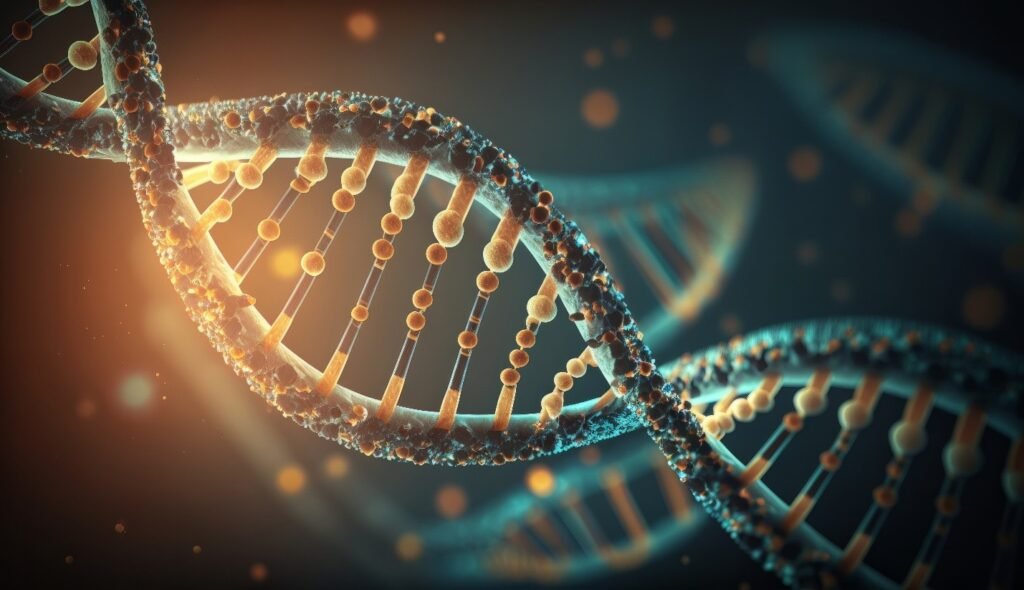
The discovery of the DNA double helix in 1953 and the mapping of the human genome in 2003 paved the way for consumer genetic testing. Today, platforms like AncestryDNA and 23andMe allow millions to trace their family lines with stunning accuracy, comparing genetic sequences measured in centimorgans to vast international databases.

Through this technology, history has come alive again, one swab at a time.

When Science Becomes Personal

Genetic testing is more than data; it is deeply human. Each DNA match can reopen a lost chapter or reunite a family separated by time and circumstance. It can confirm whispered family stories, or rewrite them entirely.


Author Melinda Aimee Roth knows this truth firsthand. In her moving book ’Till We Meet Again, Roth blends the precision of genetic science with the emotion of personal storytelling. Through DNA analysis, archival research, and cross-continental journeys, she uncovers her family’s roots in Slovakia and Hungary, families nearly erased by the Holocaust.


Her discoveries connect generations once divided by silence. What began as curiosity evolved into an act of remembrance and healing, showing how science can restore the human spirit as much as it reveals the past.

The Future of Our Genetic Story

The science of ancestry continues to evolve. New technologies can trace ancient migrations, uncover health patterns linked to genetics, and map global connections with extraordinary detail. Yet, at its heart, genetic discovery remains a story about belonging.


Each of us carries an unbroken thread of survival, a record of those who loved, endured, and passed life forward. As Melinda Aimee Roth reminds us, discovering where we come from is not just about history. It is about identity, empathy, and the realization that we are all part of a much larger human family.


If you’ve ever wondered where you come from or what your DNA might reveal, ’Till We Meet Again is your invitation to begin that journey. It’s a captivating blend of science, history, and personal discovery that brings the past vividly to life. Get your copy today!

DNA Testing

The Breakthrough Moments in DNA Testing That Shaped Our Understanding of Genetics

Have you ever wondered how a few microscopic strands inside your cells can reveal the story of who you are? The answer lies in one of the greatest scientific adventures in human history, the discovery of DNA and the breakthroughs that followed.


In less than a century, DNA testing has moved from laboratory curiosity to a powerful tool that connects science, medicine, and identity. It has solved crimes, reunited families, mapped humanity’s origins, and given millions of people a new way to understand themselves.


Here are the breakthrough moments that changed everything we know about life, heredity, and the deep connections that tie us all together.

1. The Discovery of DNA’s Structure (1953)

In 1953, James Watson and Francis Crick, building on the groundbreaking X-ray work of Rosalind Franklin, unveiled the double helix, the elegant, twisting ladder that carries our genetic information.


For the first time, humanity saw the shape of heredity. This discovery showed that DNA was the molecule of life, containing the instructions that make every plant, animal, and human unique. It was the foundation on which modern genetics was built.

2. DNA Fingerprinting Changes the World (1984)

Three decades later, Sir Alec Jeffreys at the University of Leicester made a discovery that brought DNA into everyday life. He found that each person’s genetic code contains patterns so distinct they can identify an individual with unmatched accuracy.


From that insight came DNA fingerprinting, a method that revolutionized criminal justice, paternity testing, and human rights investigations. It proved that a person’s DNA could speak louder than words or witnesses.

3. The PCR Revolution (1985)

Just one year later, Kary Mullis invented the Polymerase Chain Reaction (PCR), a process that could copy small fragments of DNA millions of times.
This made genetic testing faster, more affordable, and widely accessible.


PCR became the backbone of modern molecular biology, enabling everything from disease diagnosis to forensic breakthroughs and ancestry tracing. It was the spark that made large-scale DNA research possible.

4. The Human Genome Project (1990–2003)

In 1990, scientists around the world joined forces to launch the Human Genome Project, an ambitious effort to map every one of the 3 billion base pairs in human DNA.
When completed in 2003, it unlocked the full blueprint of human life.


This achievement revolutionized medicine, helping scientists identify genes linked to diseases and paving the way for personalized treatments tailored to individual genetic profiles. It was a scientific milestone that reshaped our understanding of health, evolution, and humanity itself.

5. DNA Testing for Everyone (2000s–Present)

In the early 2000s, the science that once belonged only to laboratories reached ordinary people. Some companies also gave millions access to their genetic history with a simple saliva test.


Suddenly, DNA testing became personal. People discovered relatives across continents, learned about their ancestral roots, and even found long-lost connections that rewrote family histories. Science had crossed into the realm of identity, turning data into meaning.

Your DNA is More Than Just a Code

Your DNA is More Than Just a Code: The Hidden Messages About Your Past It Can Reveal

Our DNA isn’t just a scientific marvel, it’s the quiet storyteller of who we are. Every cell in your body carries whispers from the past: migrations across continents, moments of survival, choices made generations ago that shaped the person reading these words today.


For centuries, we searched for our roots in archives and oral histories. Today, modern genetics has given us something extraordinary, the ability to see those roots written in the code of life itself.

The Story Written in Your Cells

For generations, people relied on photographs, letters, and stories passed around the dinner table to understand their origins. But time can blur those memories. DNA, however, carries the details that history forgets.

Here is what your DNA can reveal:

  • Ancestral Origins
    Your DNA holds clues about where your ancestors lived, how they moved, and what populations they belonged to. Scientists can trace migrations from thousands of years ago, connecting you to specific regions and ethnic backgrounds.
  • Family Connections
    Shared segments of DNA can identify relatives across the globe. Many people have discovered entire family branches they never knew existed, all through a single test.
  • Inherited Memories
    Research in epigenetics suggests that trauma, stress, and survival experiences can influence the way genes express themselves. This means that your ancestors’ struggles and strengths may still shape your emotional and physical responses today.
  • The Human Connection
    DNA shows us how deeply connected we are. Beneath surface differences, we share more similarities than we realize. Understanding this can inspire a deeper sense of empathy and belonging.

Why Knowing Matters

Learning about your genetic past is not only about curiosity. It can change the way you understand yourself and your family.

When you explore your DNA, you may:

  • Gain appreciation for your family’s resilience and adaptability.
  • Find healing by understanding patterns that have carried through generations.
  • Strengthen your sense of identity and pride in your heritage.
  • Recognize how your personal story fits within the greater story of humanity.

Your DNA is not a list of numbers or traits. It is a bridge between who you are and who came before you.

Wrapping Up

Every person carries within them a history that deserves to be remembered. The past is not gone; it lives quietly in your cells, waiting to be understood. By exploring your DNA, you are giving voice to those who could not tell their own stories and finding new meaning in your own.

If you are curious about what your DNA can reveal, Till We Meet Again by Melinda Aimee Roth offers a remarkable example of discovery through science and story.

Roth uses modern genetics and historical research to uncover her family’s hidden European lineage, nearly erased by war and time. What begins as a search for facts becomes a powerful journey of connection and healing.


Her story shows that DNA is more than data. It is a living record of love, loss, and survival. Get your copy today and be inspired to explore your own past.