
How to Research Ancestors When Records Are Missing

How to Research Ancestors When Records Are Missing
Researching your family history can feel like solving a mystery. While some people discover their ancestors through official documents, birth certificates, immigration records, and archives, many researchers face missing records, incomplete information, and unanswered questions.

When documents disappear, the journey does not have to end. Family stories, photographs, DNA discoveries, historical records, and connections with relatives can provide valuable clues. The key is learning how to look beyond traditional sources and piece together the story one discovery at a time.

1. Start With Family Stories and Oral History

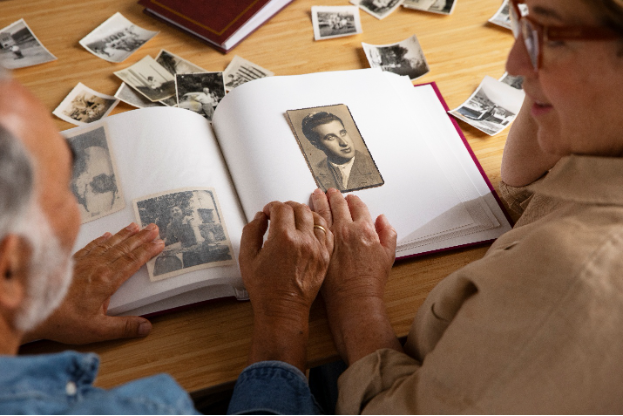
When written records are unavailable, family memories can become an important source of information. Conversations with older relatives may reveal names, locations, traditions, occupations, and events that were never documented.

Even small details can provide meaningful clues. A story about where an ancestor lived, why they moved, or who their relatives were may help guide further research.

However, family stories should be treated as starting points. Memories can change over generations, so researchers can compare these details with other evidence to build a clearer picture.

2. Search Beyond Official Documents

Many people assume genealogy research depends only on government records, but there are many other sources of information.

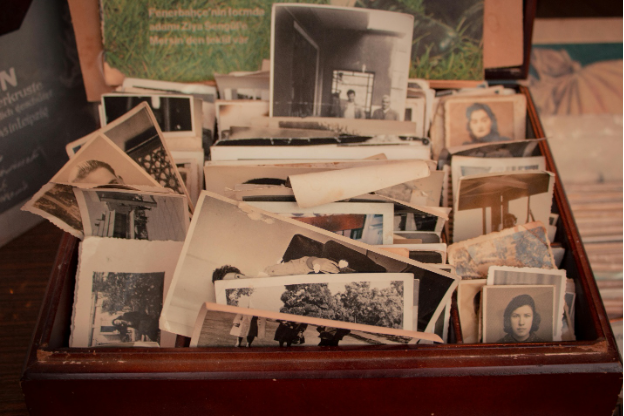
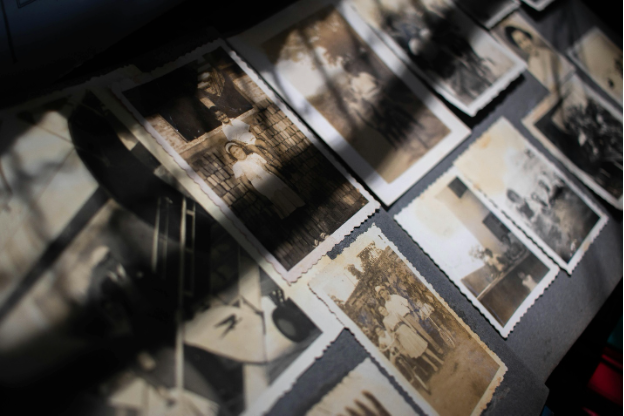
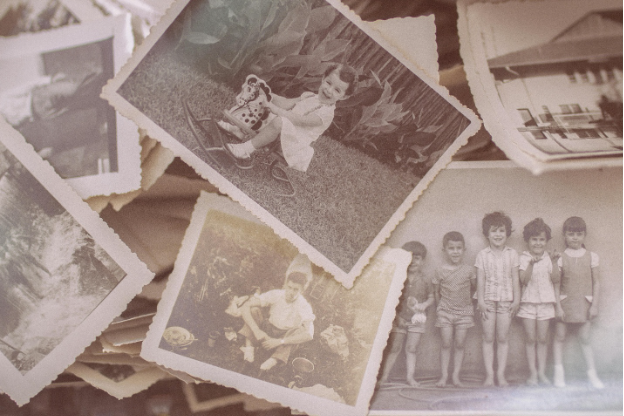
Old photographs, letters, newspaper articles, religious records, military documents, property records, school records, and immigration papers can reveal important details about ancestors’ lives.

Sometimes a single document can unlock new possibilities. A handwritten note, an address on an envelope, or a name written in a family album may lead researchers toward relatives and places they never knew existed.

3. Use DNA Testing as a Research Tool

DNA testing has changed the way people explore their ancestry. When traditional records are missing, genetic matches can provide clues about family relationships and connections.

DNA results can help identify unknown relatives, confirm possible family links, and reveal ancestry patterns that may not appear in written records.

While DNA does not always provide a complete family tree, it can help researchers discover new paths when historical documents are limited or unavailable.

4. Investigate Historical and Geographic Context

Understanding the world your ancestors lived in can make missing records easier to understand. Wars, migration, political changes, natural disasters, and social conditions often explain why records may no longer exist.

Learning about the history of a specific town, country, or community can reveal why families moved, changed names, or became separated.

Genealogy is not only about finding names, but it is also about understanding the experiences that shaped those names.

5. Be Patient and Follow Every Clue

Researching ancestors without complete records requires curiosity and persistence. A missing document does not mean a missing story.

Successful genealogy research often involves collecting many small pieces of evidence and connecting them over time. A DNA match, an old photograph, a family memory, or a historical reference may eventually reveal a much larger story.

Every discovery brings you closer to understanding the people whose lives created your family legacy.
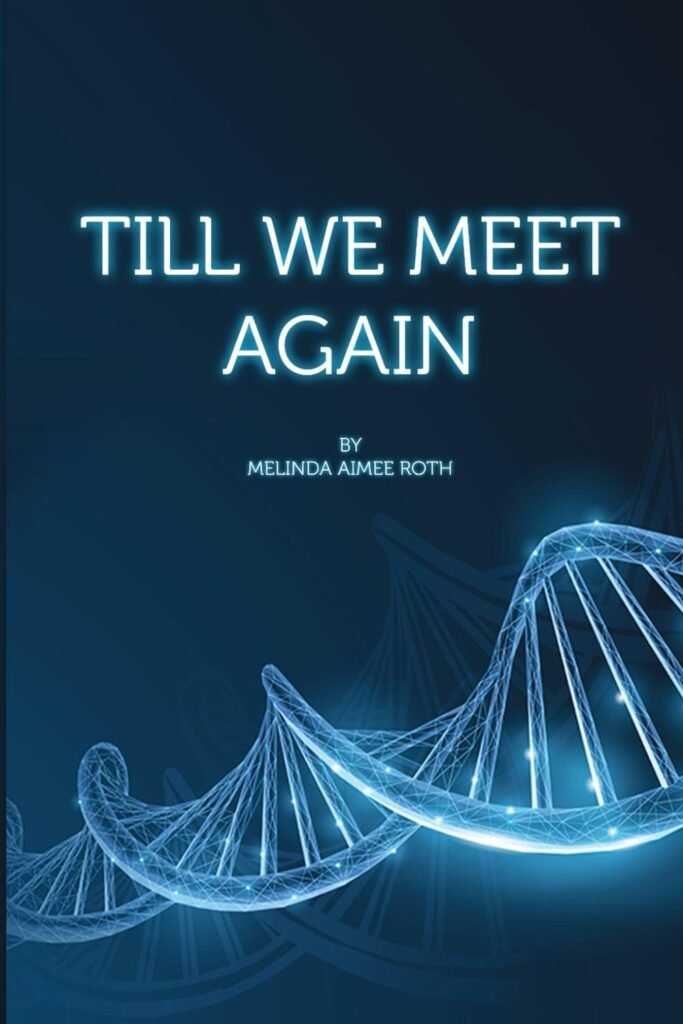
Discover a Real Journey of Searching for Lost Family Connections

The search for ancestors can uncover stories hidden for generations. ‘Till We Meet Again by Melinda Aimee Roth shares a powerful personal exploration of family history, lost connections, migration, and ancestry research. Through photographs, historical investigation, family memories, and DNA evidence, the book follows the process of uncovering possible relationships and preserving stories that might otherwise have been forgotten.

For anyone interested in genealogy, family mysteries, or discovering the stories behind their roots, ‘Till We Meet Again offers an inspiring reminder that even when records are missing, the search for truth can continue. Get your copy today!

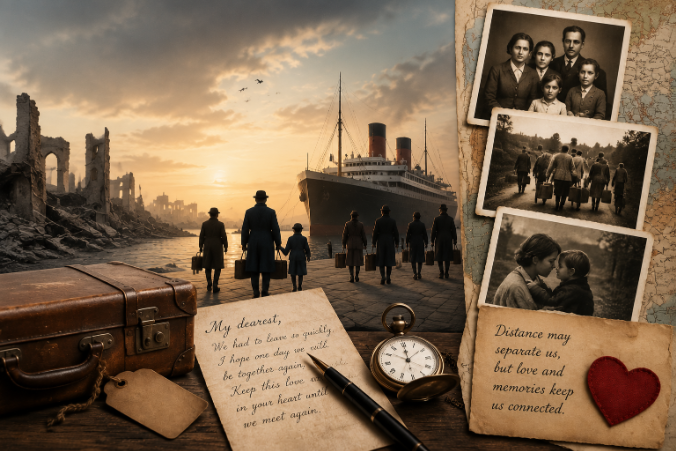
5 Powerful Lessons from Families Separated by War and Migration

5 Powerful Lessons from Families Separated by War and Migration

Families are shaped by the journeys they experience. For some, those journeys include leaving behind homes, crossing borders, surviving conflicts, and searching for loved ones lost through the passage of time. War and migration can separate generations, but they cannot erase the memories, traditions, and connections that families carry forward.

Across history, countless families have experienced separation because of political changes, conflicts, economic struggles, and the search for safety. While these experiences bring loss and uncertainty, they also reveal incredible stories of courage, resilience, and hope.

Exploring these stories teaches us valuable lessons about where we come from and why preserving family history matters.

1. Family Memories Are a Link to the Past

When families are separated, memories often become the only connection between generations. Stories shared by grandparents, old photographs, personal letters, and family traditions preserve pieces of history that might otherwise disappear.

A simple memory can become a powerful clue. A name mentioned in an old conversation or a forgotten document stored away for years can lead to discoveries about relatives, origins, and experiences that shaped a family.

Preserving these memories allows future generations to understand not only who their ancestors were but also the challenges they overcame.

2. Migration Stories Reveal Strength and Resilience

Migration is rarely just about moving from one place to another. It often represents a journey filled with difficult decisions, uncertainty, and hope for a better future.

Families who relocate because of war, persecution, or hardship often carry emotional and cultural connections to the places they left behind. Their stories demonstrate the strength required to rebuild lives in unfamiliar environments.

Learning about migration reminds us that many families today are connected through journeys of survival, adaptation, and perseverance.

3. Historical Events Affect Personal Family Stories

Wars and political conflicts are often discussed through major events and dates, but behind every historical moment are individual people with their own struggles and dreams.

A family separated by conflict may experience lost communication, missing records, and unanswered questions. Understanding these personal stories creates a deeper appreciation of how history affects everyday lives.

Family research allows people to look beyond historical facts and discover the human experiences behind them.

4. New Technology Can Help Reconnect Lost Family Branches

Modern tools have transformed the way people explore their ancestry. DNA testing, digital archives, and online genealogy resources have made it possible to discover connections that previous generations could never have found.

A DNA match can provide a starting point for exploring unknown relatives or confirming family relationships. While technology cannot replace personal stories and historical research, it can help uncover connections that remained hidden for decades.

These discoveries show how the past and present can come together through both science and storytelling.

5. Understanding Our Ancestors Helps Us Understand Ourselves

Family history is ultimately about identity. Learning about ancestors’ experiences helps us understand our traditions, values, and the challenges that shaped our families.

The stories of those who came before us can inspire gratitude and appreciation. They remind us that resilience, courage, and hope are often passed from one generation to the next.

When we explore our roots, we are not only discovering where we came from, we are preserving the stories that define us.

Discover a Remarkable Journey of Family, Memory, and Connection

The search for family history can uncover stories that have remained hidden for generations. ‘Till We Meet Again by Melinda Aimee Roth explores a personal journey of ancestry, migration, DNA discoveries, and reconnecting with family connections separated by time. Through historical research, photographs, family records, and genetic evidence, the book captures the emotional process of searching for answers and preserving the stories of those who came before.

If you are fascinated by genealogy, forgotten family stories, and the powerful connections that link generations together, ‘Till We Meet Again invites you to explore a journey of discovery, resilience, and remembrance.

Read ‘Till We Meet Again today and uncover a story about the enduring power of family bonds, the mysteries hidden within our ancestry, and the connections that time cannot erase.


5 Things People Discover When They Explore Their Ancestry

5 Things People Discover When They Explore Their Ancestry

Exploring your ancestry is more than tracing names on a family tree. It is a journey into forgotten memories, hidden connections, and stories that shaped who you are today. Many people begin genealogy research looking for dates and names but discover something much deeper: a connection to generations that came before them.

In ‘Till We Meet Again by Melinda Aimee Roth, a personal search for family history becomes a powerful investigation into lost relatives, migration, DNA discoveries, and unanswered questions passed down through generations. The book demonstrates how exploring ancestry can uncover stories that history books often leave behind.

Here are five meaningful discoveries people often make when they explore their ancestry.

1. They Discover Family Stories That Were Almost Forgotten

Every family carries stories. Some are shared around dinner tables, while others disappear with time. Old letters, photographs, immigration records, and memories from relatives can reveal experiences that were never fully understood.

In ‘Till We Meet Again, a lost letter from Europe becomes the starting point of a decades-long search for answers about relatives and family connections separated by historical events. The journey shows how even a small piece of family history can hold important clues about the past.

2. They Discover Unexpected Relatives

One of the most surprising parts of ancestry research is finding relatives you never knew existed. DNA testing has helped many people connect with distant family members and rebuild branches of their family tree.

Through DNA matches and shared genetic connections, the book explores how Zuzana’s ancestry revealed possible links to the Chaimovics family line. These discoveries opened new possibilities about relationships that had remained unknown for generations.

3. They Discover the Impact of Migration and History

Families are shaped by movement. Wars, immigration, religious changes, and economic challenges often influence where people live and how families become separated.

Researching ancestry helps people understand why relatives moved across countries and how historical events affected individual lives. The stories preserved in ‘Till We Meet Again highlight the experiences of families connected across Slovakia, Europe, and America while searching for identity and belonging.

4. They Discover That DNA Can Answer Long-Standing Questions

DNA testing has transformed genealogy by providing new evidence about family relationships. While records and oral histories provide important background, genetic matches can offer additional clues.

The manuscript explores DNA comparisons, including shared Centimorgan measurements and ancestry matches, as tools used to investigate possible family relationships and uncover connections that traditional records could not easily confirm.

5. They Discover a Deeper Connection to Their Identity

Perhaps the greatest discovery in ancestry research is understanding yourself. Learning about ancestors’ struggles, achievements, choices, and survival can create a stronger sense of identity.

Family history reminds us that every person is part of a much larger story. The people who came before us left behind traditions, memories, and experiences that continue through future generations.

Discover a Family Story That Crosses Generations

‘Till We Meet Again by Melinda Aimee Roth is more than a genealogy investigation; it is a heartfelt exploration of memory, resilience, and the search for truth. Through photographs, historical research, DNA evidence, and personal stories, Melinda documents a journey to reconnect with the past and preserve family history for the future.

If you are fascinated by ancestry, hidden family connections, and the stories waiting inside your own family tree, ‘Till We Meet Again invites you to explore what happens when the past finally finds its way home.

Get your copy and begin your own journey of discovery, because every family has a story worth remembering.

How to Tackle the Toughest Challenges in Jewish Genealogy Research: Tips for Success

How to Tackle the Toughest Challenges in Jewish Genealogy Research: Tips for Success

Jewish genealogy research can be an incredibly rewarding journey, but it also comes with its share of challenges. Tracing Jewish family roots often means navigating historical upheavals, such as migration, displacement, and record destruction, which can create significant roadblocks. From lost documents to common surname confusion, uncovering your Jewish heritage is often not a straightforward path. However, with the right strategies and persistence, you can overcome these challenges and successfully trace your family’s roots. In this blog, we’ll break down expert tips and advice to help you navigate the toughest obstacles in Jewish genealogy research.

Understanding the Unique Challenges of Jewish Genealogy

Jewish genealogy presents unique challenges that are not typically encountered in other genealogical research. The history of Jewish communities is often marked by migration, political upheaval, and persecution, which has led to lost or incomplete records. Many Jewish families, especially those from Eastern Europe, lived in areas where records were poorly kept or destroyed, particularly during the Holocaust. These disruptions make Jewish genealogical research more complicated, but not impossible.

Additionally, Jewish surnames can be a challenge in genealogy research. Many Jewish families have undergone name changes throughout history, whether due to immigration processes, assimilation pressures, or the adoption of surnames by communities that did not have them previously. This can make it hard to identify specific family lines, as multiple branches of a family may use different surnames on official documents.

Tip 1: Start with What You Know

Before diving into databases and archives, start your research with the information you already have. Gather all available family records, including birth certificates, immigration documents, family trees, old photographs, and letters. Speak with older relatives, who may have valuable oral histories or family anecdotes that can provide important details about your ancestors.

By starting with what you know, you can build a foundation for your research and identify specific names, dates, and locations to focus on. This information will help you target your research efforts more efficiently and give you clues about potential roadblocks.

Tip 2: Utilize Jewish-Specific Genealogy Resources

Jewish genealogical research often requires specialized tools and databases. Fortunately, several resources focus specifically on Jewish ancestry, which can significantly aid your search.

JewishGen.org is one of the most comprehensive and widely used platforms for Jewish genealogy research. It offers access to a wealth of records, including Jewish cemetery databases, Yizkor books (memorial books for Jewish communities), and Holocaust-era archives. JewishGen also hosts forums and connects users to Jewish genealogists who can offer expert advice.

In addition to JewishGen, sites like Ancestry.com and MyHeritage also offer access to specialized Jewish collections, including immigration records and Jewish community records from around the world. These platforms can provide valuable leads and allow you to connect with distant relatives who may have additional family information.

Tip 3: Use DNA Testing to Break Through Brick Walls

DNA testing has revolutionized genealogical research, especially for those working with limited records. By submitting a DNA sample to services like AncestryDNA, 23andMe, or MyHeritage, you can potentially find genetic matches to distant cousins or relatives who may have more detailed family records than you.

For Jewish genealogy, DNA testing can help resolve issues with common surnames or name changes, as genetic connections can help confirm family relationships even when official documents are incomplete or inconsistent. Additionally, DNA testing can identify ancestral origins, providing insight into your family’s ethnic and geographic history.

Be sure to share your results with genetic communities or forums dedicated to Jewish genealogy. Many Jewish genealogists have successfully used DNA matches to break through genealogical barriers and uncover lost family lines.

Tip 4: Search for Non-Traditional Records

While vital records such as birth, marriage, and death certificates are incredibly useful, they may not always be available, especially for Jewish families in Eastern Europe. In these cases, non-traditional records can be invaluable.

Consider searching for synagogue records, such as lists of bar and bat mitzvahs, marriage registrations, or burial records. Additionally, Jewish newspapers and periodicals often published obituaries, articles, and community news that can provide insights into your ancestors’ lives.

If you are researching ancestors who immigrated to the United States, naturalization records, passenger lists, and Ellis Island records can also be helpful in tracking their arrival and settlement. These documents may provide crucial details about your ancestors’ origins and their journey to their new home.

Tip 5: Collaborate with Experts

Jewish genealogy research can be complex, and when you hit a dead-end, it’s helpful to reach out to experts. Consider consulting professional genealogists who specialize in Jewish ancestry. Many genealogists have the expertise and resources to navigate difficult research challenges, such as deciphering old Yiddish or Hebrew documents, identifying obscure historical records, and understanding the complexities of Jewish name changes.

There are also numerous Jewish genealogy societies and forums where you can connect with fellow researchers, share your findings, and ask for advice. Organizations like the International Association of Jewish Genealogical Societies (IAJGS) host conferences, webinars, and workshops that can provide valuable insights into Jewish genealogy research.

Tip 6: Be Patient and Persistent

Genealogical research, particularly Jewish genealogy, is often a marathon, not a sprint. It’s important to be patient and persistent, especially when you encounter obstacles. Sometimes, breakthroughs come after months or even years of research, so don’t get discouraged if you hit a brick wall. Keep exploring different avenues, and remember that every small piece of information brings you one step closer to your ancestor’s story.

Begin Your Journey of Discovery

Melinda Aimee Roth, in her book, offers an inspiring example of how breaking through barriers in Jewish genealogy research can uncover your family’s history. Through persistence and the right strategies, Roth’s journey highlights the emotional rewards of discovering your roots. If you’re ready to trace your Jewish ancestry, overcome genealogical challenges, and uncover the powerful stories of survival, grab a copy of ’Till We Meet Again today and begin your own journey of discovery.

Breaking Down Brick Walls in Jewish Genealogy: How to Find Your Ancestors Against All Odds

Breaking Down Brick Walls in Jewish Genealogy: How to Find Your Ancestors Against All Odds

Jewish genealogy research is often a journey of perseverance, as tracing the lineage of Jewish ancestors can present unique challenges. For those trying to uncover their Jewish roots, the path is often filled with brick walls: lost records, destroyed archives, and complex family histories affected by centuries of migration and upheaval. But despite these obstacles, it’s still possible to break through the barriers and find your ancestors. With the right tools, strategies, and a little persistence, you can uncover the hidden branches of your family tree and restore the legacies of your Jewish heritage.

The Challenges of Jewish Genealogy

Genealogy research for any group can be complex, but Jewish genealogy presents its own set of unique challenges. The historical context of Jewish communities, marked by migrations, wars, and persecutions, often means that records were lost or never existed in the first place. Additionally, many Jewish families lived in regions that were frequently reshaped by political borders, and some records were destroyed during the Holocaust, leaving gaps that can seem impossible to fill.

Names, too, can be a challenge in Jewish genealogy research. Jewish families often had multiple names for various reasons, nicknames, Hebrew names, names altered due to immigration processes, or changes made during periods of persecution. This can make it difficult to track down specific ancestors, as family names might be different on official records than those used in everyday life.

Despite these challenges, Jewish genealogy research is far from impossible. With the right tools and knowledge, you can break through these brick walls and uncover the rich history of your Jewish ancestors.

Proven Strategies for Breaking Through Brick Walls

While researching Jewish genealogy can seem overwhelming, there are several strategies that can help you break down the barriers that stand between you and your ancestors. Here are some proven approaches to overcoming the obstacles you may encounter in your research:

1. Start with What You Know

Before jumping into databases or archives, start by gathering as much information as you can from family sources. Speak with older relatives, gather old family documents, and search through personal collections of letters, photographs, and records. These sources can provide valuable clues about family names, places of origin, and dates of significant events like births, marriages, and deaths.

2. Utilize Jewish-Specific Databases

Many genealogy platforms, such as Ancestry.com and MyHeritage, offer resources specific to Jewish ancestry. These include access to databases of Jewish communities, cemeteries, and Holocaust records. One of the most significant Jewish-specific resources is the JewishGen website, which provides a wealth of information on Jewish towns (shtetls), archives, and historical records. Many of these databases include indexed records, which can help you uncover hard-to-find ancestors.

Additionally, some archives have specialized collections focusing on Jewish populations, such as those from Eastern Europe, which are often pivotal in Jewish genealogy research. By tapping into these Jewish-specific databases, you’re better equipped to track down ancestors and break through genealogical barriers.

3. Work with DNA Testing

Genetic testing has revolutionized genealogy research, providing a powerful tool for breaking through barriers in Jewish genealogy. By testing your DNA through services like AncestryDNA or 23andMe, you can connect with distant relatives who might have more information or family records that you lack. DNA testing can also help confirm familial connections and offer additional leads in your search.

For Jewish genealogy, genetic testing can be particularly useful when dealing with common surnames, name changes, or when documentary evidence is sparse. Many individuals have found long-lost cousins through DNA testing, which can lead to the discovery of new family lines and provide clues that might not be found in traditional records.

4. Consult Jewish Genealogy Experts

When you encounter a brick wall that seems impossible to break through, it can be helpful to consult experts in Jewish genealogy. There are genealogists who specialize in Jewish ancestry and have a deep understanding of the unique challenges faced by those tracing their Jewish roots. These professionals can help you navigate the research process, interpret historical documents, and provide strategies to move forward.

Organizations like the International Association of Jewish Genealogical Societies (IAJGS) offer resources, conferences, and access to experts who can assist in breaking down genealogical barriers.

5. Be Persistent and Open to New Resources

Breaking through brick walls in Jewish genealogy often requires patience and persistence. New records are continually being digitized and made available online, so even if you hit a dead-end, it’s worth revisiting your research after a few months or years. You never know when new resources or databases might be released that could help you solve a particular mystery.

Also, don’t be afraid to explore alternative sources, such as local archives, regional museums, and synagogue records. Jewish history is rich with resources that can be found in the most unexpected places. Sometimes, a fresh approach or a new angle can yield the breakthrough you’ve been searching for.

Start Your Genealogical Journey Today

In her book, Melinda Aimee Roth demonstrates a powerful example of how, with the right strategies and persistence, you can break through the toughest brick walls in Jewish genealogy. By exploring her own journey of uncovering her Jewish roots, Roth reminds us of the emotional rewards of discovering family history and the deep sense of connection it can bring. If you’re ready to explore your own Jewish ancestry, overcome genealogical challenges, and uncover the powerful stories of your ancestors, get a copy of ’Till We Meet Again today and begin your own journey of discovery.

From Struggles to Success: Exploring the Impact of Immigrant Family Histories on Modern Generations

From Struggles to Success: Exploring the Impact of Immigrant Family Histories on Modern Generations

Immigrant families have long been the backbone of nations, contributing to the cultural and economic fabric of their adopted countries. Yet, the journey for these families often begins with hardship, resilience, and the drive for a better future. The struggles faced by past generations, whether it was fleeing war, seeking economic opportunity, or escaping persecution, have shaped not only the success stories of their descendants but also their identities. Through the lens of history, we can better understand how the stories of immigrant families continue to influence the modern generations they have built.

The Roots of Struggle

The immigrant experience is often marked by adversity. Upon arriving in a new country, many families faced language barriers, cultural differences, and financial hardships. The journey wasn’t just geographical; it was emotional and psychological as well. Immigrant families had to navigate unfamiliar systems and work harder than ever to secure their place in society, all while trying to hold on to their cultural identities.

Whether escaping political unrest, fleeing violence, or pursuing economic opportunities, the reasons for immigration were varied. But what many immigrants shared was an unyielding desire to create a better life for themselves and their children. These families sacrificed comfort and stability in their homelands to seek the promise of hope in a foreign land.

Generational Resilience

The experiences of immigrant families have a lasting impact on the identities of their descendants. The strength, resilience, and determination of the first generation often echo through the lives of their children and grandchildren, who grow up hearing the stories and lessons of their ancestors’ struggles. This historical context becomes woven into the very fabric of family identity, influencing how modern generations view the world and their place in it.

In ’Till We Meet Again, Melinda Aimee Roth’s personal journey of tracing her family’s history reflects this deep connection between past struggles and present-day identity. As Roth uncovers her own family’s immigrant story, she explores how the hardships faced by her ancestors continue to influence her life today. By understanding the resilience of those who came before her, Roth gains a deeper appreciation for the legacy of survival and success that shaped her own path.

Immigrant Stories as a Source of Strength and Inspiration

The stories of immigrant families are not just tales of survival; they are a source of strength and inspiration for future generations. These histories remind us of the power of resilience and the importance of fighting for a better life. The struggles faced by past generations can often feel distant, but they are incredibly relevant to today’s world, where many communities continue to face adversity.

As modern generations continue to face their own set of challenges, they can draw strength from the stories of their ancestors. Whether it’s overcoming adversity in the workplace, fighting for social justice, or adapting to a rapidly changing world, the immigrant experience offers a powerful reminder that obstacles can be overcome, and success can be achieved, no matter the odds.

The Impact of Immigrant Family Histories on Modern Identity

The legacies of immigrant families are written into the modern identities of their descendants. Whether it’s a sense of cultural pride, a deep commitment to community, or the drive to succeed, these histories shape the way individuals navigate their worlds. As immigrant families continue to thrive, they contribute to the richness and diversity of society, proving that the struggles of the past can lead to successes in the future.

The impact of immigrant families’ struggles is far-reaching, creating a foundation of strength, resilience, and hope. By honoring and understanding their histories, modern generations can appreciate their heritage while embracing the opportunities and challenges of the present and future.

Embrace Your Immigrant Legacy

Melinda Aimee Roth’s book beautifully illustrates how understanding immigrant family histories, from hardship to success, shapes our modern identities. By exploring the struggles and resilience of her ancestors, Roth shows how these powerful legacies continue to influence the lives of their descendants. If you’re ready to connect with your own family’s immigrant story and uncover the strength that lies within, order ’Till We Meet Again today and start your journey of discovery.

Exploring the Connection Between Jewish Ancestry and Holocaust Survivor Histories Through DNA

Exploring the Connection Between Jewish Ancestry and Holocaust Survivor Histories Through DNA

The legacy of the Holocaust is woven into the fabric of Jewish ancestry, with countless families scattered, separated, and in many cases, erased by history’s darkest chapters. Today, thanks to the advancement of DNA testing, individuals can connect with their Jewish roots in a powerful new way, uncovering links to Holocaust survivors and preserving the important legacies of survival. DNA testing has opened doors to discovering long-lost relatives, piecing together fragmented family histories, and healing emotional wounds that have persisted for generations.

The Power of DNA in Tracing Jewish Ancestry

For generations, tracing Jewish ancestry has been a challenge, particularly for families affected by the Holocaust. The atrocities of World War II destroyed records, separated families, and erased entire communities, leaving many Jewish descendants with a fragmented understanding of their heritage. Traditional methods of family research, such as searching through archives or family records, were often futile or incomplete, particularly for those whose ancestors had been forced into hiding, relocated, or perished in concentration camps.

DNA testing, however, offers a groundbreaking solution. By analyzing genetic markers and comparing them to global databases, individuals with Jewish ancestry can uncover familial connections that have been hidden for decades. These tests can reveal shared genetic traits, trace migrations, and provide a roadmap for uncovering family roots that have long been lost. For many, it’s not just about finding distant relatives, it’s about re-establishing connections to the survivors of one of the greatest tragedies in human history.

Tracing Holocaust Survivor Histories

Jewish ancestry is deeply tied to the history of the Holocaust. The families affected by the war experienced tremendous loss and upheaval, and many were left without the ability to trace their roots or find surviving relatives. However, DNA testing has provided an invaluable tool in reconnecting descendants with Holocaust survivors and uncovering the fates of lost relatives.

In her book ’Till We Meet Again, Melinda Aimee Roth shares her personal journey of using DNA testing to reconnect with her Jewish heritage. Roth’s story traces her family’s roots in Slovakia and Hungary, revealing the resilience of her ancestors who survived the Holocaust. Through her own research, Roth uncovers not only her family’s Jewish history but also the emotional depth that these connections carry. Her journey is a powerful testament to the role DNA testing plays in preserving and uncovering the histories of Jewish families affected by the Holocaust.

The Emotional Journey of Discovery

The emotional impact of uncovering Jewish ancestry through DNA testing cannot be understated. For many, the process is not just about finding genetic matches, it’s about reconnecting with the people and stories that have shaped their identity. For Holocaust survivors’ descendants, the emotional weight of these discoveries is particularly profound, as it brings a sense of closure and connection to the lost history of their ancestors.

The act of discovering surviving relatives, learning about the experiences of ancestors, and uncovering the fates of family members lost to history can be deeply healing. It can provide descendants with a sense of pride, understanding, and continuity, helping them to piece together the fragmented history of their families and honor the resilience of those who survived.

The Future of Jewish Ancestry and DNA Testing

As DNA testing technology continues to evolve, the future holds even more promise for uncovering Jewish ancestry and connecting with Holocaust survivor histories. New advancements in genetic testing are making it possible to trace family lines with even more accuracy and depth. As more people participate in DNA testing, the databases grow, providing a richer, more detailed understanding of Jewish ancestry and Holocaust survivor connections.

Melinda Aimee Roth’s journey into her ancestry highlights the deep connection between Jewish heritage and Holocaust survivor histories, with DNA testing serving as a powerful tool to reconnect lost generations.

If you’re ready to explore your Jewish heritage and uncover the powerful stories of survival in your family history, order ’Till We Meet Again today and begin your own journey of discovery.

How Ancestry DNA Tests Are Helping Families Discover Holocaust Survivor Connections

How Ancestry DNA Tests Are Helping Families Discover Holocaust Survivor Connections

In a world where history often fades into the past, modern technology, especially Ancestry DNA tests, is allowing families to reconnect with long-lost relatives and uncover hidden stories. For many, these tests are more than just a way to discover their family tree; they are an essential tool for connecting with ancestors who survived some of history’s most horrific events, like the Holocaust.

The Role of DNA in Tracing Holocaust Survivor Connections

The Holocaust left a devastating impact on countless families, with many losing entire branches of their family trees. For those affected, the ability to track their ancestry can be a deeply emotional journey, one that brings not only facts but healing and closure. DNA testing allows families to trace their roots back to those who were lost, as it can reveal connections to relatives who were either displaced, hidden, or killed during the war.

For families with Jewish heritage, the legacy of the Holocaust can sometimes feel like a missing puzzle piece. The advent of Ancestry DNA testing has made it possible to identify distant relatives across the world, uncovering unknown connections. By comparing DNA with international databases, users can find others who share genetic markers linked to common ancestors, revealing details of their family’s journey before, during, and after the war.

Personal Stories of Holocaust Discovery

Ancestry DNA tests do more than just provide names on a family tree; they offer a chance to rediscover lost family stories. Many people have shared powerful accounts of how their DNA results connected them with relatives who survived the Holocaust, sometimes uncovering long-forgotten tales of hardship, survival, and triumph. For these families, DNA tests are a vital bridge to understanding their past and honoring the legacies of those who lived through unimaginable atrocities.

In her book, Melinda Aimee Roth reflects on how genetic testing not only revealed family connections but also provided a means of healing. As she uncovered the stories of her ancestors, stories that had been buried for decades, she was able to bridge the gap between the past and present, connecting with relatives who had long been lost. For Roth, and many others like her, the DNA test results brought a sense of closure and a deeper understanding of their identity.

Preserving Family History

The importance of preserving family histories, especially those related to Holocaust survivors, cannot be overstated. As generations pass, the memories of those who lived through the Holocaust risk being forgotten. Yet, through tools like DNA testing, these stories can be preserved and passed on, ensuring that the legacies of survival are never lost.

If you’ve ever been curious about your roots or the secrets your DNA might hold, Melinda Aimee Roth’s ’Till We Meet Again offers a fascinating exploration of personal history, science, and the power of discovery. This book beautifully intertwines the journey of unearthing the past with the emotional resonance of connecting with ancestors. Grab your copy today and start your own adventure into uncovering the untold stories of your family.

How DNA Ancestry Testing Is Connecting Generations Lost in History

How DNA Ancestry Testing Is Connecting Generations Lost in History

DNA ancestry testing has emerged as a groundbreaking tool, enabling individuals to uncover the mysteries of their family history, connect with long-lost relatives, and bridge generations that were once lost in the annals of time. This revolutionary method of tracing one’s ancestry is not only fascinating but also profoundly impactful, shedding light on the stories of ancestors who lived long ago. In this blog, we explore how DNA testing is reconnecting families and illuminating histories that would otherwise remain forgotten.

Tracing the Roots of Lost Generations

For many, the process of discovering their heritage used to mean sifting through old family records, birth certificates, and immigration papers, if those records even existed. However, for countless families affected by historical upheavals like the Holocaust, wars, or forced migrations, these traditional records were often destroyed, lost, or never recorded. DNA Ancestry Testing has revolutionized this process, allowing people to trace their lineage across continents and even centuries, uncovering the lost connections that have been severed by time and tragedy.

DNA tests work by analyzing specific genetic markers passed down through generations, comparing them to a vast database of genetic information to find familial connections. This process can link people to distant cousins, uncover lost branches of their family tree, and even shed light on the ancestral origins of individuals whose histories have long been a mystery.

Bringing Lost Families Back Together

One of the most heart-wrenching effects of war and displacement is the loss of family connections. Generations are scattered, sometimes never to be reunited. For those whose ancestors survived the Holocaust, the search for lost family members can be especially fraught with emotional challenges. Records were often destroyed or never existed, leaving gaps in family histories that seem impossible to fill.

DNA Ancestry Testing has become a vital tool for restoring these lost connections. Through this technology, families can discover distant relatives who survived such atrocities, helping to mend the broken threads of family histories torn apart by war. The ability to match genetic markers with others across the globe has led many to reconnect with family members they never knew existed, unearthing stories of survival, resilience, and triumph.

In ’Till We Meet Again, author Melinda Aimee Roth shares her own journey of discovering her family’s roots. Using DNA testing, Roth uncovers her family’s lost history in Slovakia and Hungary, places nearly erased by the Holocaust. Roth’s research goes beyond simple genealogy; it blends scientific discovery with personal storytelling, offering a powerful narrative about the impact of genetic science on family histories.

The Emotional Impact of DNA Testing

While the technology behind DNA Ancestry Testing is groundbreaking, the emotional impact is profound. For those who have lost touch with their family’s past, discovering connections to ancestors and distant relatives can be life-changing. It offers a sense of closure and a deeper understanding of one’s identity. For Holocaust survivors’ descendants, reconnecting with family members who lived through unimaginable hardship is an emotional journey of healing and remembrance.

The ability to trace one’s lineage and uncover stories of survival helps individuals appreciate the resilience of their ancestors. It fosters a sense of pride, strengthens personal identity, and allows families to share their stories with future generations, ensuring that their legacies live on.

Preserving the Legacy for Future Generations

DNA Ancestry Testing is not just about uncovering the past; it’s also about preserving it for future generations. By reconnecting with lost family members and discovering long-forgotten stories, we ensure that the experiences of our ancestors are passed down, so their struggles and triumphs are never forgotten.

For many, discovering the past isn’t just about genealogy, it’s about connecting with the larger human story. It’s about remembering those who fought for survival, honoring their strength, and preserving their history for those who will come after us.

The Future of DNA Ancestry Testing

As DNA Ancestry Testing continues to evolve, the possibilities for reconnecting with lost generations are expanding. The technology is becoming more advanced, with larger, more diverse genetic databases offering even more opportunities to trace one’s lineage. The future holds even more potential for uncovering lost histories, finding new connections, and healing old wounds.

Melinda Aimee Roth, in her book, beautifully illustrates how DNA Ancestry Testing is unlocking the stories of generations lost to history, giving families the chance to reconnect with their past. The book serves as a powerful testament to the emotional healing these tests can bring, helping restore connections severed by time. If you’re ready to uncover your family’s hidden history, order Till We Meet Again today and start your own journey of discovery.

Family History Search 

5 Essential Tools You Need to Start Your Family History Search

Starting a family history search can feel overwhelming. With generations of names, dates, migrations, and mysteries, many people don’t know where to begin. The good news is that modern genealogy no longer requires expert training or travel to distant archives. With the right tools, anyone can begin uncovering their family’s story and building meaningful connections to the past.


Here are five essential tools that will give you a strong, confident start.

1. A Family Interview Notebook or Recording App

Before turning to databases or DNA tests, start with the most valuable resource you have: living relatives. Conversations with parents, grandparents, aunts, uncles, and cousins often reveal stories that exist nowhere else.


Use a notebook, voice recorder, or phone app to capture names, nicknames, places, traditions, and memories. Ask open-ended questions rather than just dates. Even small details, why someone moved, how holidays were celebrated, or which relatives stopped speaking, can become critical clues later.


This step grounds your research in human experience, not just data.

2. Online Genealogy Databases

Online genealogy platforms provide access to census records, immigration documents, birth and death certificates, military records, and family trees created by other researchers. These databases allow you to search across time and geography without leaving home.


When using online records, always verify information across multiple sources. Errors and assumptions are common, but patterns emerge when records align. Think of databases as guides rather than final authorities.


They are especially powerful when combined with family stories you’ve already gathered.

3. DNA Testing Services

DNA testing has transformed genealogy by revealing biological connections that paperwork alone cannot uncover. These tests can identify relatives you never knew existed, confirm family lines, and uncover ancestral origins.


DNA is particularly helpful for families affected by adoption, name changes, migration, or historical trauma. While results may raise new questions, they often provide breakthroughs when traditional research reaches a dead end.


Understanding shared DNA matches can help reconstruct family branches that history tried to erase.

4. Digital Organization Tools

Genealogy research grows quickly. Without organization, documents and discoveries become overwhelming. Digital folders, spreadsheets, family tree software, or genealogy apps help keep information accessible and clear.


Create consistent naming systems for files and record where each piece of information came from. Good organization not only saves time, it preserves credibility and allows future generations to understand your work.

5. Patience and a Research Mindset

The most important tool is not technological, it is mental. Family history research requires patience, curiosity, and emotional openness. Records may conflict. Answers may be incomplete. Some discoveries may be difficult.


Approach genealogy as a process rather than a project to be finished. Each question leads to another layer of understanding. Progress is often slow, but meaning accumulates steadily.


Patience allows space for both discovery and reflection.

Conclusion

Family history research is not just about collecting names; it is about reclaiming connection. With these five essential tools, conversation, records, DNA, organization, and patience, you can begin building a family narrative that brings clarity, belonging, and continuity.

Every search starts with a single step. What you uncover may change how you understand not only the past, but yourself.


If you’re inspired to go beyond tools and records and explore the emotional impact of uncovering lost family history, ’Till We Meet Again by Melinda Aimee Roth offers a powerful, real-life example. Through DNA discoveries, archival research, and personal reflection, the book