

From Struggles to Success: Exploring the Impact of Immigrant Family Histories on Modern Generations

From Struggles to Success: Exploring the Impact of Immigrant Family Histories on Modern Generations

Immigrant families have long been the backbone of nations, contributing to the cultural and economic fabric of their adopted countries. Yet, the journey for these families often begins with hardship, resilience, and the drive for a better future. The struggles faced by past generations, whether it was fleeing war, seeking economic opportunity, or escaping persecution, have shaped not only the success stories of their descendants but also their identities. Through the lens of history, we can better understand how the stories of immigrant families continue to influence the modern generations they have built.

The Roots of Struggle

The immigrant experience is often marked by adversity. Upon arriving in a new country, many families faced language barriers, cultural differences, and financial hardships. The journey wasn’t just geographical; it was emotional and psychological as well. Immigrant families had to navigate unfamiliar systems and work harder than ever to secure their place in society, all while trying to hold on to their cultural identities.

Whether escaping political unrest, fleeing violence, or pursuing economic opportunities, the reasons for immigration were varied. But what many immigrants shared was an unyielding desire to create a better life for themselves and their children. These families sacrificed comfort and stability in their homelands to seek the promise of hope in a foreign land.

Generational Resilience

The experiences of immigrant families have a lasting impact on the identities of their descendants. The strength, resilience, and determination of the first generation often echo through the lives of their children and grandchildren, who grow up hearing the stories and lessons of their ancestors’ struggles. This historical context becomes woven into the very fabric of family identity, influencing how modern generations view the world and their place in it.

In ’Till We Meet Again, Melinda Aimee Roth’s personal journey of tracing her family’s history reflects this deep connection between past struggles and present-day identity. As Roth uncovers her own family’s immigrant story, she explores how the hardships faced by her ancestors continue to influence her life today. By understanding the resilience of those who came before her, Roth gains a deeper appreciation for the legacy of survival and success that shaped her own path.

Immigrant Stories as a Source of Strength and Inspiration

The stories of immigrant families are not just tales of survival; they are a source of strength and inspiration for future generations. These histories remind us of the power of resilience and the importance of fighting for a better life. The struggles faced by past generations can often feel distant, but they are incredibly relevant to today’s world, where many communities continue to face adversity.

As modern generations continue to face their own set of challenges, they can draw strength from the stories of their ancestors. Whether it’s overcoming adversity in the workplace, fighting for social justice, or adapting to a rapidly changing world, the immigrant experience offers a powerful reminder that obstacles can be overcome, and success can be achieved, no matter the odds.

The Impact of Immigrant Family Histories on Modern Identity

The legacies of immigrant families are written into the modern identities of their descendants. Whether it’s a sense of cultural pride, a deep commitment to community, or the drive to succeed, these histories shape the way individuals navigate their worlds. As immigrant families continue to thrive, they contribute to the richness and diversity of society, proving that the struggles of the past can lead to successes in the future.

The impact of immigrant families’ struggles is far-reaching, creating a foundation of strength, resilience, and hope. By honoring and understanding their histories, modern generations can appreciate their heritage while embracing the opportunities and challenges of the present and future.
Embrace Your Immigrant Legacy

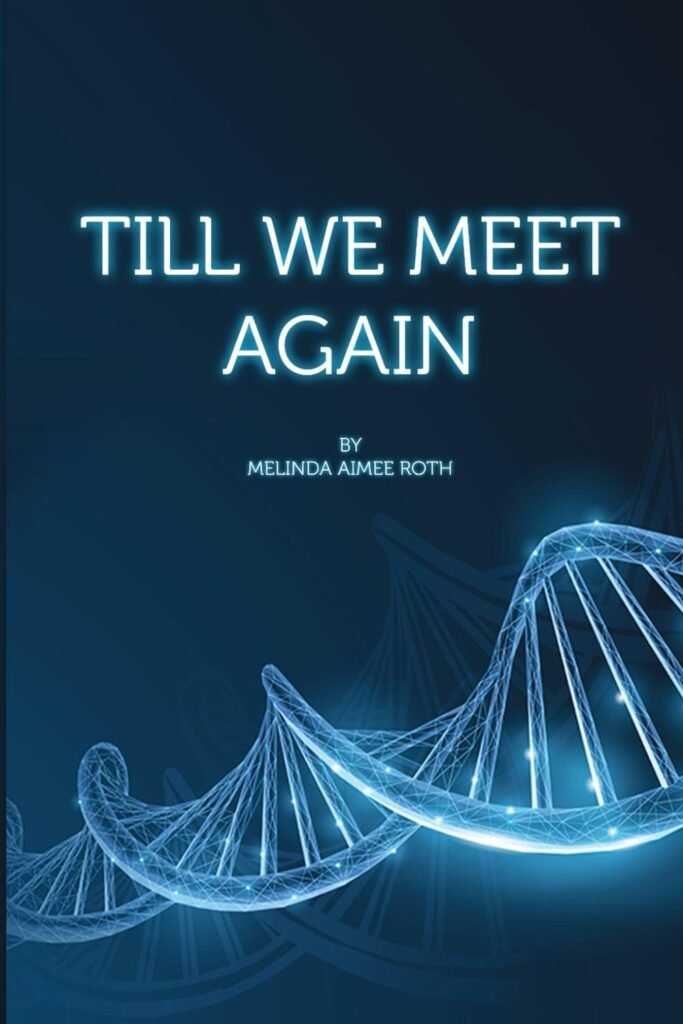
Melinda Aimee Roth’s book beautifully illustrates how understanding immigrant family histories, from hardship to success, shapes our modern identities. By exploring the struggles and resilience of her ancestors, Roth shows how these powerful legacies continue to influence the lives of their descendants. If you’re ready to connect with your own family’s immigrant story and uncover the strength that lies within, order ’Till We Meet Again today and start your journey of discovery.

Exploring the Connection Between Jewish Ancestry and Holocaust Survivor Histories Through DNA

Exploring the Connection Between Jewish Ancestry and Holocaust Survivor Histories Through DNA

The legacy of the Holocaust is woven into the fabric of Jewish ancestry, with countless families scattered, separated, and in many cases, erased by history’s darkest chapters. Today, thanks to the advancement of DNA testing, individuals can connect with their Jewish roots in a powerful new way, uncovering links to Holocaust survivors and preserving the important legacies of survival. DNA testing has opened doors to discovering long-lost relatives, piecing together fragmented family histories, and healing emotional wounds that have persisted for generations.

The Power of DNA in Tracing Jewish Ancestry

For generations, tracing Jewish ancestry has been a challenge, particularly for families affected by the Holocaust. The atrocities of World War II destroyed records, separated families, and erased entire communities, leaving many Jewish descendants with a fragmented understanding of their heritage. Traditional methods of family research, such as searching through archives or family records, were often futile or incomplete, particularly for those whose ancestors had been forced into hiding, relocated, or perished in concentration camps.

DNA testing, however, offers a groundbreaking solution. By analyzing genetic markers and comparing them to global databases, individuals with Jewish ancestry can uncover familial connections that have been hidden for decades. These tests can reveal shared genetic traits, trace migrations, and provide a roadmap for uncovering family roots that have long been lost. For many, it’s not just about finding distant relatives, it’s about re-establishing connections to the survivors of one of the greatest tragedies in human history.

Tracing Holocaust Survivor Histories

Jewish ancestry is deeply tied to the history of the Holocaust. The families affected by the war experienced tremendous loss and upheaval, and many were left without the ability to trace their roots or find surviving relatives. However, DNA testing has provided an invaluable tool in reconnecting descendants with Holocaust survivors and uncovering the fates of lost relatives.

In her book ’Till We Meet Again, Melinda Aimee Roth shares her personal journey of using DNA testing to reconnect with her Jewish heritage. Roth’s story traces her family’s roots in Slovakia and Hungary, revealing the resilience of her ancestors who survived the Holocaust. Through her own research, Roth uncovers not only her family’s Jewish history but also the emotional depth that these connections carry. Her journey is a powerful testament to the role DNA testing plays in preserving and uncovering the histories of Jewish families affected by the Holocaust.

The Emotional Journey of Discovery

The emotional impact of uncovering Jewish ancestry through DNA testing cannot be understated. For many, the process is not just about finding genetic matches, it’s about reconnecting with the people and stories that have shaped their identity. For Holocaust survivors’ descendants, the emotional weight of these discoveries is particularly profound, as it brings a sense of closure and connection to the lost history of their ancestors.

The act of discovering surviving relatives, learning about the experiences of ancestors, and uncovering the fates of family members lost to history can be deeply healing. It can provide descendants with a sense of pride, understanding, and continuity, helping them to piece together the fragmented history of their families and honor the resilience of those who survived.

The Future of Jewish Ancestry and DNA Testing

As DNA testing technology continues to evolve, the future holds even more promise for uncovering Jewish ancestry and connecting with Holocaust survivor histories. New advancements in genetic testing are making it possible to trace family lines with even more accuracy and depth. As more people participate in DNA testing, the databases grow, providing a richer, more detailed understanding of Jewish ancestry and Holocaust survivor connections.

Melinda Aimee Roth’s journey into her ancestry highlights the deep connection between Jewish heritage and Holocaust survivor histories, with DNA testing serving as a powerful tool to reconnect lost generations.

If you’re ready to explore your Jewish heritage and uncover the powerful stories of survival in your family history, order ’Till We Meet Again today and begin your own journey of discovery.

How Ancestry DNA Tests Are Helping Families Discover Holocaust Survivor Connections

How Ancestry DNA Tests Are Helping Families Discover Holocaust Survivor Connections

In a world where history often fades into the past, modern technology, especially Ancestry DNA tests, is allowing families to reconnect with long-lost relatives and uncover hidden stories. For many, these tests are more than just a way to discover their family tree; they are an essential tool for connecting with ancestors who survived some of history’s most horrific events, like the Holocaust.

The Role of DNA in Tracing Holocaust Survivor Connections

The Holocaust left a devastating impact on countless families, with many losing entire branches of their family trees. For those affected, the ability to track their ancestry can be a deeply emotional journey, one that brings not only facts but healing and closure. DNA testing allows families to trace their roots back to those who were lost, as it can reveal connections to relatives who were either displaced, hidden, or killed during the war.

For families with Jewish heritage, the legacy of the Holocaust can sometimes feel like a missing puzzle piece. The advent of Ancestry DNA testing has made it possible to identify distant relatives across the world, uncovering unknown connections. By comparing DNA with international databases, users can find others who share genetic markers linked to common ancestors, revealing details of their family’s journey before, during, and after the war.

Personal Stories of Holocaust Discovery

Ancestry DNA tests do more than just provide names on a family tree; they offer a chance to rediscover lost family stories. Many people have shared powerful accounts of how their DNA results connected them with relatives who survived the Holocaust, sometimes uncovering long-forgotten tales of hardship, survival, and triumph. For these families, DNA tests are a vital bridge to understanding their past and honoring the legacies of those who lived through unimaginable atrocities.

In her book, Melinda Aimee Roth reflects on how genetic testing not only revealed family connections but also provided a means of healing. As she uncovered the stories of her ancestors, stories that had been buried for decades, she was able to bridge the gap between the past and present, connecting with relatives who had long been lost. For Roth, and many others like her, the DNA test results brought a sense of closure and a deeper understanding of their identity.

Preserving Family History

The importance of preserving family histories, especially those related to Holocaust survivors, cannot be overstated. As generations pass, the memories of those who lived through the Holocaust risk being forgotten. Yet, through tools like DNA testing, these stories can be preserved and passed on, ensuring that the legacies of survival are never lost.

If you’ve ever been curious about your roots or the secrets your DNA might hold, Melinda Aimee Roth’s ’Till We Meet Again offers a fascinating exploration of personal history, science, and the power of discovery. This book beautifully intertwines the journey of unearthing the past with the emotional resonance of connecting with ancestors. Grab your copy today and start your own adventure into uncovering the untold stories of your family.

How DNA Ancestry Testing Is Connecting Generations Lost in History

How DNA Ancestry Testing Is Connecting Generations Lost in History

DNA ancestry testing has emerged as a groundbreaking tool, enabling individuals to uncover the mysteries of their family history, connect with long-lost relatives, and bridge generations that were once lost in the annals of time. This revolutionary method of tracing one’s ancestry is not only fascinating but also profoundly impactful, shedding light on the stories of ancestors who lived long ago. In this blog, we explore how DNA testing is reconnecting families and illuminating histories that would otherwise remain forgotten.

Tracing the Roots of Lost Generations

For many, the process of discovering their heritage used to mean sifting through old family records, birth certificates, and immigration papers, if those records even existed. However, for countless families affected by historical upheavals like the Holocaust, wars, or forced migrations, these traditional records were often destroyed, lost, or never recorded. DNA Ancestry Testing has revolutionized this process, allowing people to trace their lineage across continents and even centuries, uncovering the lost connections that have been severed by time and tragedy.

DNA tests work by analyzing specific genetic markers passed down through generations, comparing them to a vast database of genetic information to find familial connections. This process can link people to distant cousins, uncover lost branches of their family tree, and even shed light on the ancestral origins of individuals whose histories have long been a mystery.

Bringing Lost Families Back Together

One of the most heart-wrenching effects of war and displacement is the loss of family connections. Generations are scattered, sometimes never to be reunited. For those whose ancestors survived the Holocaust, the search for lost family members can be especially fraught with emotional challenges. Records were often destroyed or never existed, leaving gaps in family histories that seem impossible to fill.

DNA Ancestry Testing has become a vital tool for restoring these lost connections. Through this technology, families can discover distant relatives who survived such atrocities, helping to mend the broken threads of family histories torn apart by war. The ability to match genetic markers with others across the globe has led many to reconnect with family members they never knew existed, unearthing stories of survival, resilience, and triumph.

In ’Till We Meet Again, author Melinda Aimee Roth shares her own journey of discovering her family’s roots. Using DNA testing, Roth uncovers her family’s lost history in Slovakia and Hungary, places nearly erased by the Holocaust. Roth’s research goes beyond simple genealogy; it blends scientific discovery with personal storytelling, offering a powerful narrative about the impact of genetic science on family histories.

The Emotional Impact of DNA Testing

While the technology behind DNA Ancestry Testing is groundbreaking, the emotional impact is profound. For those who have lost touch with their family’s past, discovering connections to ancestors and distant relatives can be life-changing. It offers a sense of closure and a deeper understanding of one’s identity. For Holocaust survivors’ descendants, reconnecting with family members who lived through unimaginable hardship is an emotional journey of healing and remembrance.

The ability to trace one’s lineage and uncover stories of survival helps individuals appreciate the resilience of their ancestors. It fosters a sense of pride, strengthens personal identity, and allows families to share their stories with future generations, ensuring that their legacies live on.

Preserving the Legacy for Future Generations

DNA Ancestry Testing is not just about uncovering the past; it’s also about preserving it for future generations. By reconnecting with lost family members and discovering long-forgotten stories, we ensure that the experiences of our ancestors are passed down, so their struggles and triumphs are never forgotten.

For many, discovering the past isn’t just about genealogy, it’s about connecting with the larger human story. It’s about remembering those who fought for survival, honoring their strength, and preserving their history for those who will come after us.

The Future of DNA Ancestry Testing

As DNA Ancestry Testing continues to evolve, the possibilities for reconnecting with lost generations are expanding. The technology is becoming more advanced, with larger, more diverse genetic databases offering even more opportunities to trace one’s lineage. The future holds even more potential for uncovering lost histories, finding new connections, and healing old wounds.

Melinda Aimee Roth, in her book, beautifully illustrates how DNA Ancestry Testing is unlocking the stories of generations lost to history, giving families the chance to reconnect with their past. The book serves as a powerful testament to the emotional healing these tests can bring, helping restore connections severed by time. If you’re ready to uncover your family’s hidden history, order Till We Meet Again today and start your own journey of discovery.